Read on nature.com
Global Science Cities: Nature Index Reveals Top Research Hubs
The latest Nature Index data reveals significant shifts in global scientific leadership, with Chinese cities showing remarkable growth in research output while traditional Western hubs face relative declines. Beijing maintains its dominant position with a 9.14% increase in adjusted Share, while Shanghai surged by an impressive 20%. The rankings highlight distinct regional strengths across scientific disciplines, from Chinese dominance in physical sciences and chemistry to Western leadership in biological sciences and health research.
The global landscape of scientific research is undergoing significant transformation, with emerging science cities challenging traditional research powerhouses according to the latest Nature Index data. This comprehensive analysis reveals not only which cities are producing the most influential research but also how geographic patterns of scientific excellence are shifting across different disciplines.
Overall Top Performers
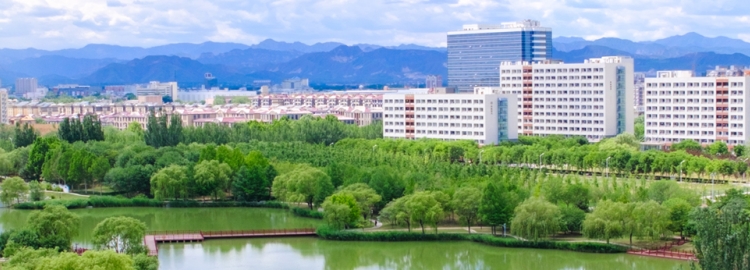
Beijing continues to lead as the world's top science city, demonstrating sustained growth with a 9.14% increase in adjusted Share between 2023 and 2024. The Chinese capital's consistent performance underscores its position as a global research powerhouse. Meanwhile, Shanghai has emerged as one of the fastest-growing research hubs, achieving a remarkable 20% growth in adjusted Share during the same period. This rapid expansion positions Shanghai as a formidable competitor in the global scientific landscape.
In contrast to the growth seen in Chinese cities, all United States cities in the top 10 experienced declines in their adjusted Share metrics. This trend suggests a shifting balance in global scientific influence, with Asian research centers gaining ground while traditional Western hubs face relative contraction in their research output contributions.

Subject-Specific Leadership
Physical Sciences Dominance
Chinese cities have solidified their position in physical sciences research, claiming six of the top ten positions in the 2024 rankings. This represents the same level of dominance as in the previous year, indicating sustained excellence in this critical field. Seoul stands out as the highest-ranked non-Chinese city in physical sciences, securing fifth place and demonstrating South Korea's strong research capabilities.
Biological Sciences Landscape
The biological sciences present a different geographic distribution, with Western cities comprising the majority of top performers. New York and Boston lead this category, showcasing the continued strength of American research institutions in life sciences. Beijing maintains a strong presence in third place, trailing Boston by less than 30 Share points, while Guangzhou made a significant leap from 13th to 9th position.
Chemistry and Environmental Sciences
Chinese cities demonstrate overwhelming dominance in chemistry research, occupying all ten top positions in the 2024 rankings. Tokyo represents the highest-ranked non-Chinese city at 12th place, having dropped from its 9th position in 2023. In Earth and environmental sciences, Beijing maintains a commanding lead with more than double the Share of second-ranked Nanjing, highlighting China's substantial investment in environmental research.
Regional Strengths and Shifts
The Nature Index data reveals clear patterns of regional specialization in scientific research. United States cities continue to excel in health sciences, claiming the top four positions and also ranking eighth. London shows particular strength in health sciences, which represents its strongest subject area by far. Guangzhou's emergence in health sciences, jumping from 12th to 9th place, indicates China's expanding capabilities beyond its traditional strengths in physical sciences and chemistry.
These rankings reflect broader trends in global research investment and collaboration patterns. The data suggests that while established research hubs maintain their excellence, new centers are rapidly developing capabilities across multiple scientific disciplines. The shifting rankings also highlight the dynamic nature of global scientific competition and the importance of sustained investment in research infrastructure and talent development.
As scientific collaboration becomes increasingly global, understanding these geographic patterns becomes crucial for policymakers, research institutions, and international partners seeking to maximize the impact of scientific research and address global challenges through coordinated scientific effort.