Read on nature.com
The Digital Afterlife: Exploring the Human Experience of Consciousness Uploading
As humanity stands on the brink of digital immortality through consciousness uploading technology, we explore the profound emotional and philosophical implications of preserving our minds beyond physical death. This examination of memory, identity, and what constitutes a life well lived draws from contemporary science fiction to question whether technological advancement can truly capture the essence of human experience. The story of Jin's journey through uploading reveals the complex relationship between our biological past and digital future.
In an era where consciousness uploading technology promises digital immortality, we find ourselves confronting fundamental questions about memory, identity, and what truly constitutes a life well lived. The concept of preserving human consciousness beyond physical death represents one of the most profound technological frontiers, yet it raises equally profound questions about the nature of existence itself.
The Promise of Digital Immortality
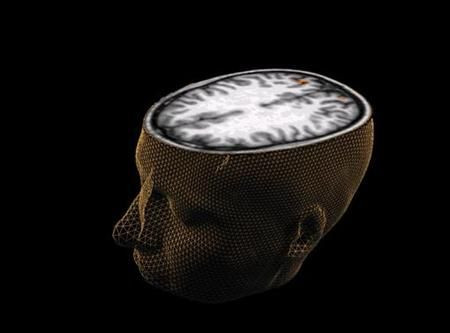
Consciousness uploading technology represents the culmination of decades of neuroscience and computing advancement. The process involves comprehensive brain mapping, where every memory and neural connection is scanned and replicated in digital form. This technology promises to overcome humanity's oldest fear—mortality—by creating cloud-bound digital selves that could theoretically exist indefinitely. As described in Nature's exploration of this technology, the scanning process itself becomes a moment of profound reflection on one's life journey.
The Human Experience of Uploading
The emotional landscape of consciousness uploading reveals complex human responses to technological transformation. Individuals facing this procedure often experience intense flashbacks to pivotal life moments—youthful adventures, lost loves, and formative experiences that shaped their identity. These memories surface not as random recollections but as the fundamental building blocks of personality that the technology seeks to preserve. The scanning process becomes a forced confrontation with one's entire life narrative, raising questions about which aspects of human experience can truly be captured digitally.
Memory and Identity Preservation
The relationship between memory and identity forms the core challenge of consciousness uploading. While technology can map neural patterns and store memory data, it struggles with the emotional resonance and contextual meaning that give memories their significance. The story of Jin's experience highlights how technological preservation differs from organic memory—where physical markers like tattoos fade and mechanical replacements erase visible traces of past relationships, yet the emotional imprints remain deeply embedded in consciousness.
Philosophical Implications
The development of consciousness uploading technology forces us to reconsider fundamental philosophical questions about existence. What constitutes the essence of a person if their consciousness can be separated from biological constraints? Does digital preservation represent true continuity of self or merely create a sophisticated replica? These questions challenge our understanding of identity, consciousness, and the very definition of human life, suggesting that technological advancement may outpace our philosophical frameworks for understanding personhood.

Conclusion: The Meaning of a Life Well Lived
As consciousness uploading technology advances, we must continually ask whether digital immortality can truly capture what makes human life meaningful. The technology promises preservation of memory and identity, but perhaps the most valuable aspects of human experience—love, loss, growth, and connection—transcend digital replication. The true measure of a life well lived may not be in its duration or preservation, but in the depth of human experience and relationships that give life its richness and meaning.