Ancient Jordan's Monumental Transformation: How Early Societies Rebuilt After Collapse
Archaeological discoveries at Jordan's Murayghat site reveal how Early Bronze Age communities creatively responded to societal collapse around 3500 BCE. Instead of rebuilding traditional villages, these ancient people constructed elaborate ritual landscapes featuring dolmens, standing stones, and megalithic monuments. University of Copenhagen researchers believe this transformation represented a profound social adaptation to climate change and cultural upheaval, marking a shift from domestic settlements to ceremonial centers that forged new forms of community identity and territorial organization.
The collapse of ancient civilizations often conjures images of abandonment and decline, but recent archaeological discoveries in Jordan reveal a more complex story of resilience and creativity. At the Murayghat site, researchers from the University of Copenhagen have uncovered evidence of how Early Bronze Age communities transformed their way of life following the disintegration of Chalcolithic culture around 3500 BCE.
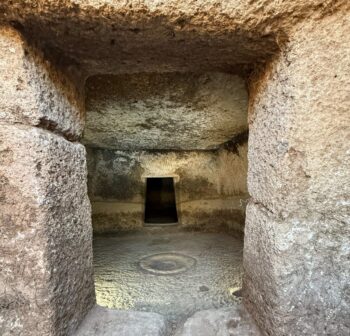
From Domestic Settlements to Ritual Landscapes
The Chalcolithic period (approximately 4500-3500 BCE) was characterized by village settlements, symbolic art, copper tools, and small shrines used for worship. However, a combination of climate change and social upheaval led to the collapse of this established way of life. According to research published by the University of Copenhagen, the communities that emerged in the Early Bronze Age chose a dramatically different path forward.
Instead of reconstructing the domestic settlements of their predecessors, these ancient people created expansive ritual landscapes filled with monumental architecture. The shift represents a fundamental reimagining of social organization and cultural expression in response to crisis.
Monumental Architecture as Social Response
At Murayghat, archaeologists have documented more than 95 dolmen structures—stone burial monuments that dot the landscape alongside standing stones and large megalithic constructions. Project leader Susanne Kerner explains that these structures point to ritual gatherings and communal burials rather than residential quarters.
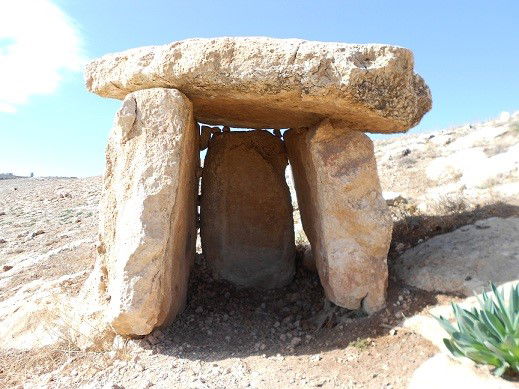
The hilltop area at the center of the site features stone enclosures and carved rock features that appear to have served ceremonial purposes. These striking monuments may have functioned as territorial markers or social symbols during a period when no central authority held power. As Kerner notes in her publication Dolmens, standing stones and ritual in Murayghat, the site provides fascinating insights into how early societies coped with disruption by building monuments and creating new forms of community.
Community Gathering and Ritual Practices
Excavations at Murayghat have uncovered artifacts that strongly suggest ritual activity and communal gatherings. Researchers found Early Bronze Age pottery, large communal bowls, grinding stones, flint tools, animal horn cores, and copper objects—all indicative of ceremonial use and possible feasting events.
The strategic layout and visibility of Murayghat indicate it likely served as a regional meeting place where different groups converged for social and spiritual gatherings. This transformation from domestic to ceremonial space represents a creative adaptation that allowed communities to maintain social cohesion despite the collapse of previous cultural structures.
Enduring Legacy of Ancient Resilience
The Murayghat discoveries challenge conventional narratives about societal collapse, demonstrating that cultural disintegration can sometimes catalyze innovation rather than simply marking an endpoint. The monumental landscape created by these Early Bronze Age communities stands as testament to human creativity in the face of adversity.
As detailed in the journal Levant, these ancient people transformed crisis into opportunity, building enduring symbols of identity and community that continue to stand amid the Jordanian hills thousands of years later. Their story offers valuable insights into the diverse ways human societies have historically navigated periods of profound change and uncertainty.