Sleepwalking Defense: When Sleep Disorders Become Criminal Cases
In a disturbing criminal case that challenges our understanding of consciousness and responsibility, a teenager stands accused of stabbing his sister with no apparent motive. The defense argues he was sleepwalking during the attack, raising complex legal and medical questions about sleep disorders and criminal culpability. This case highlights the rare but serious phenomenon of sleep violence and the challenges courts face in determining guilt when defendants claim unconscious actions during sleep.
In a case that blurs the lines between criminal responsibility and medical condition, a teenager stands accused of a horrific crime: stabbing his sister with no known motive. The defense presents a startling explanation—he was sleepwalking during the attack. This case, reported by "48 Hours" correspondent Erin Moriarty, raises profound questions about consciousness, culpability, and the mysterious world of sleep disorders that can sometimes turn violent.

The Sleepwalking Defense Explained
The sleepwalking defense, formally known as automatism, argues that a defendant was not conscious of their actions during the commission of a crime. This legal strategy suggests the person was in a state of automatic behavior without conscious awareness or control. When successful, this defense can result in acquittal because the legal system generally requires conscious intent for criminal conviction.
Medical Basis for Sleep Violence
Sleep medicine experts recognize that certain sleep disorders can lead to violent behavior. Conditions like sleepwalking (somnambulism), REM sleep behavior disorder, and sleep terrors can cause individuals to act out physically while remaining unconscious. These episodes typically occur during deep non-REM sleep stages when the brain's frontal lobes—responsible for judgment and impulse control—are largely inactive.
Legal Challenges and Precedents
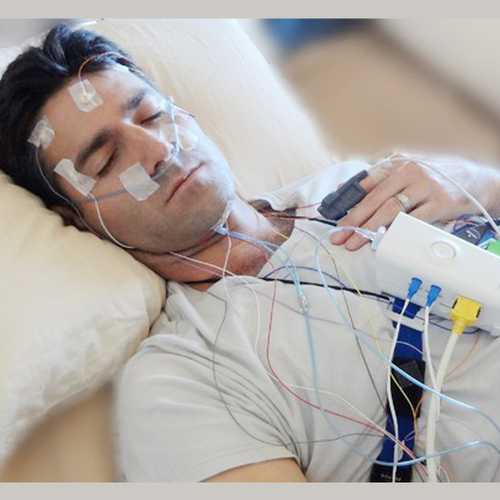
Courts face significant challenges when evaluating sleepwalking defenses. Judges and juries must weigh medical evidence against the seriousness of the crime. Successful sleepwalking defenses typically require comprehensive medical documentation, including sleep studies, family history of sleep disorders, and expert testimony establishing the defendant's susceptibility to such episodes.
Notable Sleepwalking Defense Cases
While rare, several high-profile cases have involved sleepwalking defenses. These cases often share common characteristics: the violence is typically uncharacteristic of the defendant, occurs without apparent motive, and the defendant shows genuine confusion and horror upon awakening. The current case involving the teenager and his sister follows this pattern, presenting a tragic situation for both families involved.

Broader Implications for Justice
Cases like this one force the legal system to confront fundamental questions about consciousness and responsibility. If someone commits a violent act while truly unconscious, traditional concepts of criminal intent become difficult to apply. The justice system must balance public safety concerns with fair treatment of individuals suffering from genuine medical conditions.
As reported by CBS News, this case represents the complex intersection of medicine and law that continues to challenge legal professionals, medical experts, and society's understanding of what it means to be responsible for one's actions.