Israel-Hamas Ceasefire Brings Cautious Calm as Aid Flows into Gaza
A historic ceasefire between Israel and Hamas has taken effect, bringing cautious calm to the Gaza Strip after two years of conflict. The agreement, brokered through President Trump's 20-point peace plan, includes the release of all remaining Israeli hostages in exchange for nearly 2,000 Palestinian prisoners and the immediate provision of full humanitarian aid to Gaza. As Israeli forces withdraw to designated lines, displaced Palestinians are returning to devastated neighborhoods while international leaders prepare for a major peace summit in Egypt to discuss implementation of the broader peace framework.
A historic ceasefire between Israel and Hamas has brought cautious calm to the Gaza Strip, marking a potential turning point in the two-year conflict that has devastated the Palestinian territory. The agreement, which took effect at noon local time Friday, represents the first phase of President Trump's comprehensive 20-point peace plan aimed at ending the war and establishing lasting stability in the region.
Ceasefire Implementation and Military Withdrawal
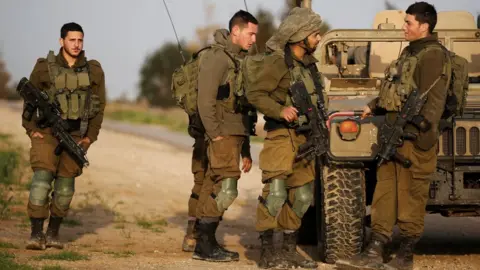
The Israeli military confirmed that troops began repositioning along updated deployment lines immediately after the ceasefire took effect. According to Israeli officials, forces will maintain control of approximately 53% of Gaza territory under the initial phase of the agreement. This partial withdrawal represents a significant shift in Israel's military posture while ensuring continued security oversight in key areas.
Israeli Prime Minister Benjamin Netanyahu emphasized that the military achievements forced Hamas to the negotiating table. "Hamas never agreed to release all the hostages while we remained deep inside the Strip," Netanyahu stated. "It agreed only when the sword was on its neck, and that sword is still there." The prime minister vowed that Gaza would be demilitarized, stating that Hamas would disarm either "the easy way" or "the hard way."
Hostage and Prisoner Exchange Process
The centerpiece of the initial agreement involves the release of all remaining Israeli hostages held in Gaza. Israeli officials believe 48 hostages remain captive, with 20 confirmed alive. According to the timeline established in the agreement, Hamas will release all hostages by noon local time on Monday, with the living hostages transported together to Israeli-controlled territory.

Shosh Bedrosian, spokesperson for the Israeli Prime Minister's Office, detailed the carefully coordinated process: "We are expecting all 20 of our living hostages to be released together at one time to the Red Cross and transported among six to eight vehicles without any sick displays by Hamas." The hostages will be taken to the Reim base in southern Israel before reuniting with their families and receiving medical care at three designated hospitals.
In exchange, Israel will release nearly 2,000 Palestinian prisoners, including 250 serving life sentences and approximately 1,700 detained since October 7, 2023. The prisoner release will commence once Israel confirms all hostages have crossed into Israeli territory.
Humanitarian Aid and Reconstruction
The ceasefire has enabled a significant increase in humanitarian assistance to Gaza, where severe food shortages and famine conditions have been reported. An Israeli security source told CBS News that 600 trucks carrying food, medical equipment, shelter materials, and fuel were scheduled to enter Gaza in the coming days.
United Nations Under-Secretary-General for Humanitarian Affairs Tom Fletcher outlined ambitious plans to deliver 172,000 metric tons of essential supplies, emphasizing the need for "all crossings open; safe routes; removal of red tape and physical barriers; power restored to bakeries, hospitals, water stations." The UN has 6,000 aid trucks ready to enter from Egypt and Jordan, though distribution had not yet significantly increased in the immediate hours after the ceasefire took effect.

International Response and Peace Summit
The international community has largely welcomed the ceasefire agreement, with leaders from France, Germany, and the United Kingdom issuing a joint statement praising the "significant developments" in the region. They credited President Trump's leadership and the diplomatic efforts of mediators from Egypt, Qatar, and Turkey.
President Trump is scheduled to travel to Israel and Egypt on Sunday, where he will meet with hostage families, address Israel's Knesset, and co-chair an international peace summit in Sharm el-Sheikh with Egyptian President Abdel Fattah al-Sisi. The summit will include more than 20 countries and aims to "end the war in the Gaza Strip, enhance efforts to achieve peace and stability in the Middle East, and usher in a new era of regional security and stability."
Regional Challenges and Future Prospects
Despite the ceasefire, significant challenges remain. Hamas officials have indicated that full disarmament is "out of the question," potentially creating obstacles for the second phase of Trump's peace plan. The plan envisions an international stabilization force, comprised largely of troops from Arab and Muslim countries, taking responsibility for security in Gaza.
Egyptian Foreign Minister Badr Abdelatty confirmed that Egypt will send troops to Gaza "within specific parameters" and supports the deployment of international forces for stabilization. However, he emphasized that lasting peace requires addressing "the legitimate aspirations of the Palestinians to have their own statehood."
As the region holds its breath during this fragile ceasefire period, the successful implementation of the hostage exchange and sustained humanitarian access will be critical indicators of whether this agreement can evolve into a durable peace framework that addresses the root causes of the long-standing conflict.