Speaking the Machine's Native Language: From Vintage Games to Modern AI
Assembly language represents the most direct communication between humans and computers, bridging the gap from vintage game development to cutting-edge artificial intelligence. This low-level programming approach, where code has near one-to-one correspondence with machine instructions, continues to deliver remarkable efficiency gains even in our era of high-level languages. From Chris Sawyer's legendary RollerCoaster Tycoon to DeepSeek's groundbreaking AI models, speaking the machine's native language enables unprecedented performance optimization and computational efficiency that higher-level abstractions often miss.
Whether your chip is running a vintage computer game or the latest DeepSeek model, it'll reward you for speaking its native language. Assembly programming represents the most direct interface between human intention and machine execution, a discipline that continues to deliver remarkable efficiency gains even in our era of high-level programming languages and artificial intelligence. This exploration examines why this foundational approach to computing remains relevant and powerful across decades of technological evolution.

The Art of Assembly Programming
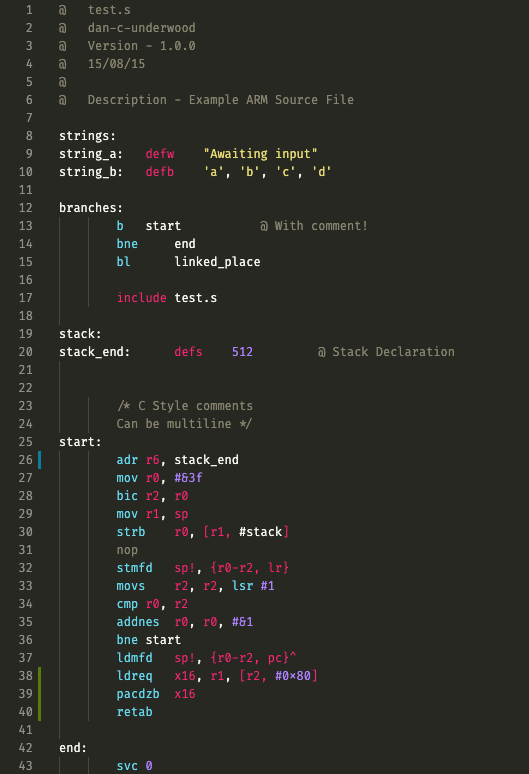
Assembly language stands as the lowest of the "low-level" programming languages, featuring a near one-to-one correspondence with the machine's native tongue. Unlike high-level languages like Python, Go, or C++ that work through human-like commands and idioms, assembly requires coding straight to the metal. Each instruction directly corresponds to machine operations, providing unparalleled control over hardware resources and performance optimization.
This direct approach to computing demands deep understanding of processor architecture and memory management. Programmers working in assembly must manually handle registers, memory addresses, and processor flags—elements that higher-level languages typically abstract away. The result is code that executes with maximum efficiency but requires significant expertise to develop and maintain effectively.
Historical Significance and Modern Applications
The legacy of assembly programming spans from the Apollo 11 Guidance Computer that landed humans on the moon to contemporary AI systems pushing computational boundaries. Chris Sawyer's development of RollerCoaster Tycoon entirely in x86 assembly demonstrates the remarkable achievements possible through this approach. His work required coaxing out the chip's full potential, working within hardware limitations to create complex simulations that remain beloved decades later.
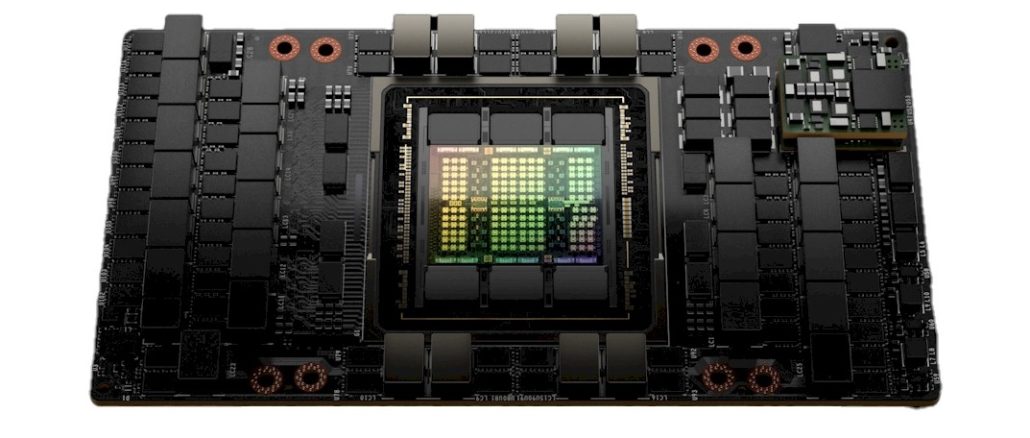
Modern applications continue to benefit from assembly's efficiency. DeepSeek's engineers recently demonstrated this by reaching into the subfloor of Nvidia's chips, commanding individual machines to compress data from 32 bits to 8 bits at precisely the right moments. This optimization, sacrificing precision for efficiency, stunned observers and highlighted how direct hardware communication can achieve performance gains that higher-level abstractions might miss.
The Future of Machine Communication
As artificial intelligence systems become more sophisticated, they're rediscovering the value of low-level optimization. DeepMind researchers demonstrated this when they taught a machine x86 assembly and asked it to improve the long-standing sort() function in C. The AI made strange, unintuitive choices—performing odd jumps between registers—yet managed to cut precisely one step from the algorithm. While saving only a fraction of a millisecond per operation, this optimization becomes significant when happening countless times daily in adopted algorithms.
This development serves as a reminder that despite the apparent complexity of modern computing systems, they remain fundamentally under human command. The machines we created continue to respond best when we communicate in their native language, whether through direct assembly programming or AI systems learning to optimize at the hardware level. The relationship between human understanding and machine capability remains essential for pushing computational boundaries forward.
The enduring relevance of assembly language demonstrates that true computational efficiency often requires speaking directly to hardware. While high-level languages provide valuable abstraction and development speed, there will always be scenarios where maximum performance demands the precision and control that only native machine communication can provide. From vintage game development to cutting-edge AI optimization, understanding the machine's fundamental language remains a powerful tool in the programmer's arsenal.