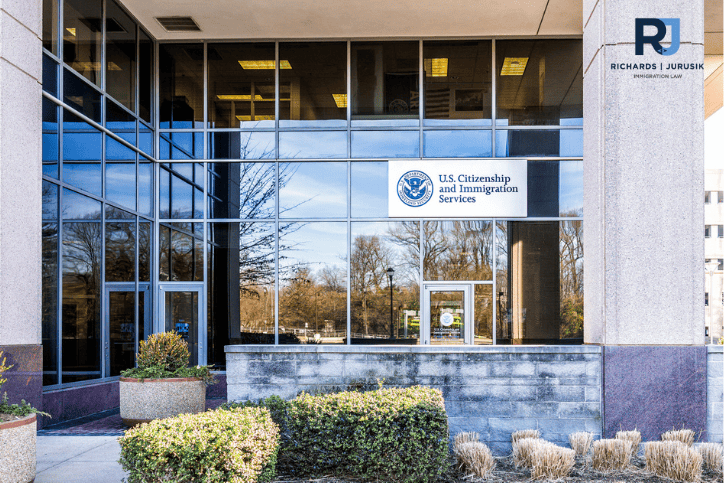
America's $100,000 H-1B Golden Visa Sparks Chaos in Tech Industry
The recent announcement of a $100,000 fee for H-1B visa holders has created widespread confusion and panic among tech workers and their employers. This policy shift, implemented through executive action rather than congressional process, represents the latest in a series of restrictive immigration measures that threaten to disrupt Silicon Valley's talent pipeline. As workers scramble to avoid the hefty fee and companies face hiring uncertainties, China is simultaneously rolling out its own K visa program to attract global tech talent, creating a competitive landscape for international innovation.
The technology industry is facing unprecedented disruption as the Trump administration's surprise announcement of a $100,000 fee for H-1B visa holders has thrown thousands of tech workers and their employers into chaos. This dramatic policy shift, revealed without clear implementation guidelines, has created immediate uncertainty for one of America's most critical talent pipelines.
.jpg)
The H-1B Visa Crisis Unfolds
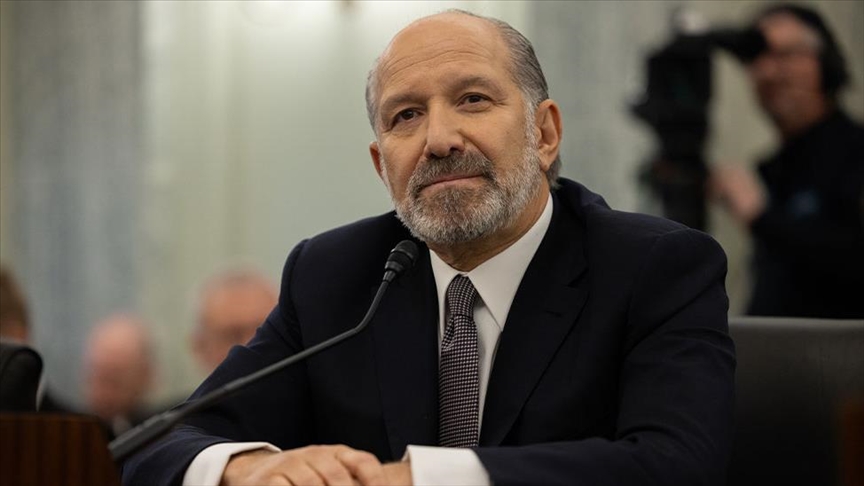
The chaos began when the administration announced the new $100,000 fee for H-1B visa holders, creating immediate panic among tech workers currently outside the United States. The policy was announced on a Friday and updated throughout the weekend with conflicting information from different White House officials. Commerce Secretary Howard Lutnick initially stated the fee would be annual, while White House press secretary Karoline Leavitt later clarified it was a one-time payment, adding to the confusion.
Workers found themselves in impossible situations, with some making last-minute decisions to cancel international travel or cut short family visits. One semiconductor worker, Xie Yun, was on a flight from Bangkok to Hong Kong when she learned about the new fee. Within hours, she had changed her entire itinerary, flying back to the United States through Shanghai and Los Angeles to avoid potential liability.

Understanding the H-1B Program
The H-1B visa program, established in 1990, has been the primary pathway for skilled workers with bachelor's or advanced degrees to work legally in the United States. The program operates through a lottery system with annual caps, where employers sponsor workers and pay associated fees. Major technology companies like Amazon, Microsoft, Meta, and Google have been among the largest sponsors of H-1B visas, relying on the program to fill critical technical roles.
The program has faced criticism for what some see as two distinct tracks: one bringing highly skilled engineers and researchers to top companies, and another providing IT support workers through consulting firms for lower-paying positions. However, the lottery system has traditionally provided equal opportunity regardless of salary level or specific field.
Legal and Implementation Concerns
The new $100,000 fee faces significant legal challenges, as the H-1B program was created through congressional legislation, while this fee was imposed via executive action. Legal experts anticipate potential litigation that could reach the Supreme Court, creating prolonged uncertainty for both employers and workers.
Adding to the confusion, the administration indicated it would allow certain industries or employers to secure exemptions at the discretion of Homeland Security Secretary Kristi Noem. This has raised concerns about potential favoritism and whether powerful tech executives might influence which sectors receive preferential treatment.
Global Competition for Talent
While the United States imposes new barriers for tech workers, China is actively working to attract global talent through its new K visa program. Unlike the H-1B system, China's approach doesn't require invitation letters from specific employers, offering greater flexibility for foreign professionals to explore opportunities across different companies and startups.
However, China faces its own challenges in becoming a destination for international talent. With only 0.1% of its population consisting of foreigners, cultural and linguistic barriers present significant obstacles. The country also faces domestic backlash, with social media platforms showing nationalist and sometimes xenophobic reactions to the new visa program.
Impact on the AI Race
The timing of these immigration policy changes coincides with an intense global competition in artificial intelligence development. Restrictions on Chinese researchers through programs like the China Initiative had already created concerns about talent retention in American universities and research institutions.
Industry observers worry that continued immigration uncertainty could drive top AI researchers and developers to consider opportunities outside the United States, potentially affecting America's competitive position in critical technology sectors. The broader impact may extend to international students choosing where to pursue higher education, with potential long-term consequences for innovation ecosystems.
Conclusion
The $100,000 H-1B fee represents more than just a financial barrier—it signals a fundamental shift in America's approach to global talent acquisition at a time when technological competition has never been more intense. As companies and workers navigate this new landscape, the decisions made today will shape the future of innovation and economic leadership for years to come. The chaos surrounding this policy change underscores the critical importance of stable, predictable immigration systems for maintaining technological advantage in an increasingly competitive global market.