Legal Analysis: Judicial Reasoning in High-Profile Sentencing and Political Communication Strategies
This analysis examines the judicial reasoning behind Sean "Diddy" Combs' sentencing and explores how political figures like Donald Trump strategically rebrand language as instruments of power. The article provides insights into legal decision-making processes and the evolving nature of political communication in high-stakes environments, offering perspective on how courts approach celebrity sentencing and how political messaging adapts to contemporary challenges.
In today's complex legal and political landscape, understanding judicial reasoning and political communication strategies provides crucial insights into how power operates within our society. Two recent developments—the sentencing of Sean "Diddy" Combs and Donald Trump's approach to language as a political tool—highlight the intricate relationship between legal processes, celebrity influence, and political messaging.
Judicial Reasoning in Celebrity Sentencing
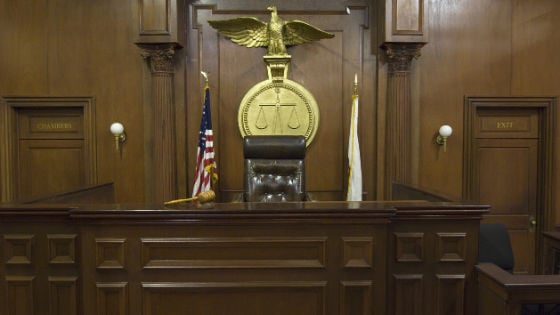
The sentencing of Sean "Diddy" Combs represents a significant moment in the intersection of celebrity culture and judicial process. Judges in high-profile cases must navigate multiple considerations, including legal precedents, sentencing guidelines, public perception, and the specific circumstances of each case. The reasoning behind such decisions often reflects broader judicial philosophies about punishment, rehabilitation, and the role of celebrity status in the legal system.
Judges typically consider factors such as the nature of the offense, the defendant's criminal history, expressions of remorse, and the potential for rehabilitation. In celebrity cases, additional considerations may include the defendant's public platform, their influence on society, and the message that sentencing might send to both the public and other potential offenders. The balancing of these factors requires careful judicial deliberation and a commitment to impartial justice.
Political Communication as Power Instrument
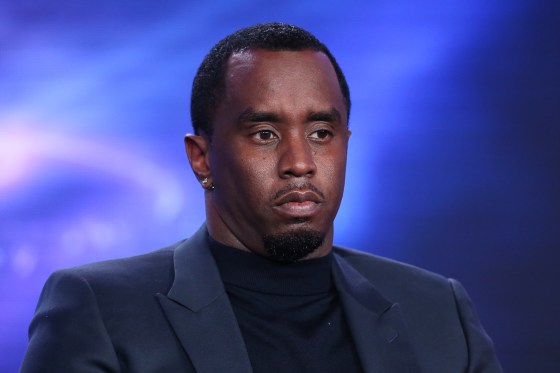
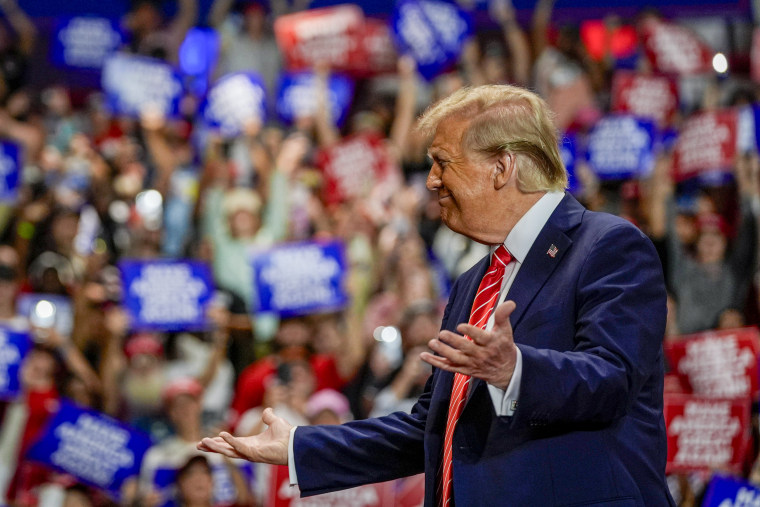
Donald Trump's approach to language represents a sophisticated understanding of how words function as tools of political power. Through strategic rebranding and careful messaging, political figures can shape public perception, control narratives, and influence political outcomes. This phenomenon extends beyond individual politicians to reflect broader trends in political communication.
The transformation of language in political contexts involves several key strategies. Politicians may reframe controversial positions, create new terminology for complex issues, or co-opt existing language to serve their political objectives. This linguistic maneuvering represents a form of soft power that can be as influential as more traditional political tools. Understanding these strategies provides valuable insight into contemporary political dynamics and the evolving nature of political discourse.
Intersections of Legal and Political Power
The connection between judicial processes and political communication reveals important dynamics about how power operates across different spheres of society. Both legal decisions and political messaging involve strategic considerations about audience, impact, and long-term consequences. The ways in which these domains interact can shape public understanding of justice, authority, and governance.
High-profile legal cases often become platforms for broader political discussions, while political messaging frequently engages with legal concepts and frameworks. This intersection creates a complex ecosystem where legal reasoning and political communication mutually influence each other. Analyzing these connections helps illuminate the underlying structures that shape both legal outcomes and political realities.
Conclusion
The judicial reasoning behind Sean "Diddy" Combs' sentencing and the strategic use of language in political communication represent two facets of how power is exercised in contemporary society. Both domains require careful analysis to understand their implications for justice, governance, and public discourse. As these dynamics continue to evolve, they will likely shape future developments in both legal practice and political strategy, highlighting the ongoing importance of critical engagement with both judicial decisions and political messaging.