Two Years After October 7: Israel's Ongoing Conflict and National Division
As Israel marks two years since Hamas' devastating October 7 attack that killed approximately 1,200 people and sparked a prolonged war, the nation remains deeply divided over leadership and hostage negotiations. Memorial ceremonies reflect the ongoing trauma while indirect peace talks continue in Egypt. The conflict has expanded regionally, involving Iran and Hezbollah, and resulted in tens of thousands of Palestinian casualties in Gaza. Families of victims and hostages continue to demand government action and accountability for security failures.
Two years after Hamas' October 7 attack that claimed approximately 1,200 Israeli lives and triggered a devastating regional conflict, Israel remains engulfed in mourning and political division. The nation commemorates this somber anniversary while indirect peace talks continue in Egypt and families of hostages demand action from their government.

The October 7 Attack and Its Aftermath
The October 7, 2023 attack represents the deadliest assault in Israel's history, when thousands of Hamas-led militants stormed across the border in a surprise offensive. They targeted army bases, farming communities, and the Nova music festival, killing civilians including women, children, and older adults. The militants abducted 251 people during the assault, with approximately 48 hostages remaining in Gaza today, about 20 of whom Israel believes are still alive.
Current Political Divisions
Deep political fractures have emerged in Israeli society, particularly regarding Prime Minister Benjamin Netanyahu's leadership. Many Israelis blame his government for failing to secure a ceasefire that would free the remaining hostages. The division is reflected in separate memorial ceremonies—one organized by bereaved families and another scheduled by the government according to the Hebrew calendar. Weekly mass protests against Netanyahu's administration continue, highlighting the country's polarization over war strategy and hostage negotiations.

Regional Conflict Expansion
The initial attack set in motion a cascade of regional confrontations that drew Israel into direct combat with Iran and its allies. The conflict expanded to include Lebanon's Hezbollah, resulting in significant losses for the militant group. In June 2025, the United States joined Israel in attacking Iran's military and nuclear program during a 12-day war. Israel has conducted operations targeting top militants, Iranian generals, and nuclear scientists while seizing control over most of Gaza and parts of Lebanon and Syria.
Memorial Sites and Personal Tragedies
The Nova music festival site in Reim has transformed into a permanent memorial, where nearly 400 Israelis were killed and dozens abducted. Thousands visited the site on the anniversary, sharing memories of lost relatives and friends. Survivors and family members continue to seek closure and accountability, with many criticizing the government for not launching an official inquiry into the security failures that allowed the attack to occur.
Humanitarian Crisis in Gaza
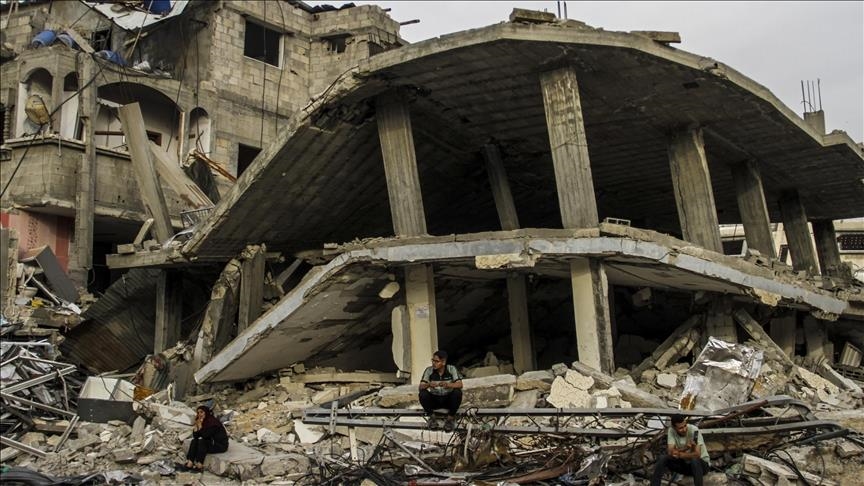
Israel's retaliatory offensive in Gaza has resulted in over 67,000 Palestinian casualties according to Gaza's Health Ministry, with women and children comprising approximately half the dead. The conflict has displaced around 90% of Gaza's 2 million population, often multiple times. Severe restrictions on humanitarian aid have created a hunger crisis, with experts reporting famine conditions in Gaza City. Medical professionals describe treating unprecedented cases of trauma, amputation, burns, and head injuries that will have lasting psychological impacts.
International Legal Challenges
The International Criminal Court is seeking the arrest of Netanyahu and his former defense minister for allegedly using starvation as a method of war. Israel vehemently denies these allegations, maintaining that it is waging a lawful war of self-defense while taking extraordinary measures to avoid civilian casualties. The government attributes the death and destruction in Gaza to Hamas' strategy of embedding militants within populated areas.
As indirect peace talks continue in Egypt's Sharm el-Sheikh resort, focusing on former U.S. President Donald Trump's peace plan, the path forward remains uncertain. The conflict has left both Israelis and Palestinians grappling with profound loss and an uncertain future, with the dream of Palestinian statehood appearing more distant than ever despite recent recognition moves by major Western countries.