Lavrov's UN Address Amid Rising NATO Airspace Incidents
Russian Foreign Minister Sergey Lavrov's recent address to the UN General Assembly comes at a critical moment as unauthorized flights into NATO airspace have heightened tensions across Europe. This analysis examines the diplomatic context, security implications, and potential responses to the escalating situation that has raised alarm among Western allies.
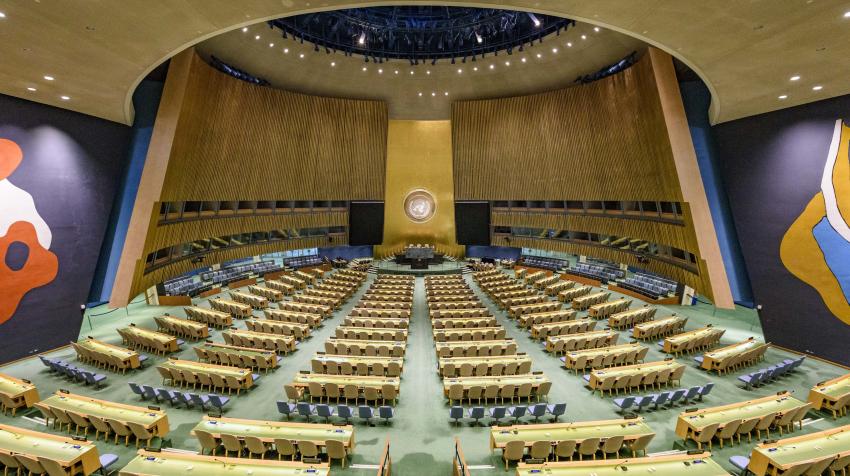
Russian Foreign Minister Sergey Lavrov's appearance at the United Nations General Assembly represents a significant diplomatic moment amid escalating tensions between Russia and NATO member states. The address follows weeks of concerning incidents involving unauthorized aircraft entering NATO airspace, creating a backdrop of heightened security concerns throughout Europe.

The timing of Lavrov's speech is particularly noteworthy given the recent pattern of airspace violations that have prompted increased vigilance among NATO members. These incidents have occurred against the backdrop of ongoing geopolitical tensions stemming from Russia's actions in Ukraine and broader strategic competition between Moscow and Western powers.
Diplomatic Context and Security Implications
Lavrov's UN appearance serves as a platform for Russia to present its perspective on international security matters while Western nations express growing concern over airspace integrity. The unauthorized flights represent more than mere technical violations—they signal potential testing of NATO's defensive capabilities and response protocols.

The pattern of airspace incursions suggests a calculated approach by Russia to gauge Western reactions and potentially demonstrate military capabilities. Such actions typically involve sophisticated aircraft capable of electronic warfare and intelligence gathering, raising questions about their strategic objectives beyond simple territorial testing.
International Response and Diplomatic Positioning
NATO members have responded to these incidents with increased aerial patrols and enhanced monitoring of border regions. The alliance faces the challenge of maintaining defensive readiness while avoiding unnecessary escalation. Lavrov's UN speech likely addressed these tensions directly, positioning Russia's actions within its broader security framework.
The diplomatic exchanges surrounding these incidents reveal the complex balance between demonstrating resolve and preserving channels for de-escalation. Western officials must carefully calibrate their responses to deter further violations without provoking unnecessary confrontation.
Regional Security Dynamics
The airspace violations affect multiple NATO members across different regions, from the Baltic states to Northern Europe. This geographical spread indicates a comprehensive testing strategy rather than isolated incidents. Each violation requires coordinated response protocols among alliance members, testing NATO's integrated defense systems.
These developments occur within the broader context of Russia's military modernization and its assertions about Western encroachment near its borders. The unauthorized flights serve as both tactical probes and symbolic demonstrations of Russia's capabilities to operate near NATO territory.
As European nations assess their air defense readiness, the incidents highlight ongoing vulnerabilities in continental security architecture. The response coordination among NATO members will be critical in determining the alliance's effectiveness in maintaining territorial integrity against such challenges.
The situation underscores the continuing relevance of collective defense mechanisms in an era of hybrid threats and ambiguous provocations. How NATO addresses these airspace violations will signal its capacity to adapt to evolving security challenges while maintaining diplomatic engagement with Russia.