Canadian Ambassador Remains Seated During Netanyahu's UN Address as Diplomats Walk Out
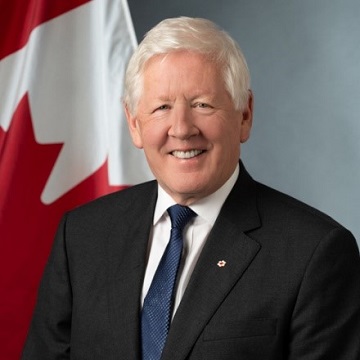
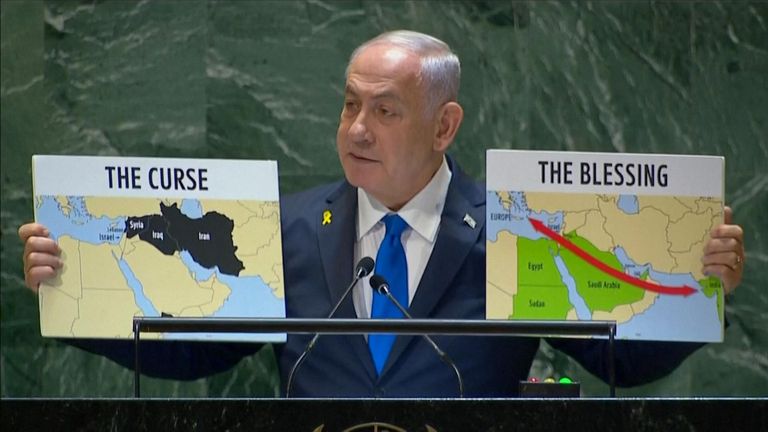
Canadian Ambassador Bob Rae remained seated during Israeli Prime Minister Benjamin Netanyahu's United Nations address while dozens of diplomats from other countries walked out of the chamber. The incident occurred during Netanyahu's speech to the UN General Assembly, highlighting diplomatic tensions and differing national approaches to Middle East policy. Ambassador Rae's decision to stay reflects Canada's current diplomatic stance and approach to international relations regarding the Israeli-Palestinian conflict.
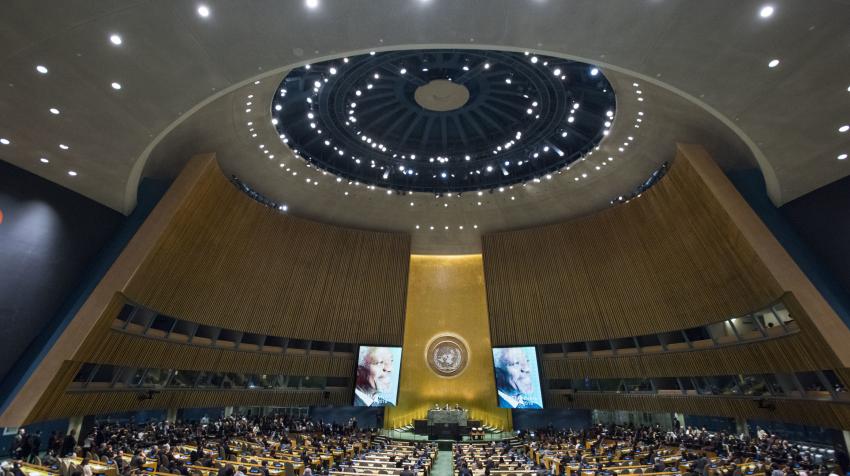
The diplomatic scene at the United Nations General Assembly witnessed a significant moment when Canadian Ambassador Bob Rae chose to remain seated during Israeli Prime Minister Benjamin Netanyahu's address, while numerous diplomats from other nations exited the chamber in protest. This incident underscores the complex diplomatic landscape surrounding Middle East politics and Canada's positioning within international forums.
Diplomatic Protocol and Political Statements
Walkouts during diplomatic addresses represent one of the most visible forms of protest in international diplomacy. When diplomats leave a chamber during a speech, they send a clear message of disapproval without the need for verbal confrontation. The decision to remain seated, as Ambassador Rae did, can be equally significant, indicating either neutrality, diplomatic engagement, or a different approach to expressing disagreement.
Canada's Diplomatic Positioning
Ambassador Bob Rae's decision to stay during Netanyahu's address reflects Canada's current foreign policy approach to Middle East issues. Unlike some nations that chose the walkout as a form of protest, Canada maintained its presence in the chamber, potentially signaling a commitment to dialogue and engagement even when disagreements exist. This approach aligns with Canada's historical role as a mediator and bridge-builder in international conflicts.
International Reactions and Context
The walkout by diplomats from various countries occurred against the backdrop of ongoing tensions in the Middle East and differing international perspectives on the Israeli-Palestinian conflict. Such demonstrations at the UN are not unprecedented but remain relatively rare, reserved for moments of significant diplomatic disagreement. The incident highlights how multilateral forums like the United Nations serve as stages for both cooperation and confrontation among nations.
As reported by Global News, the walkout involved diplomats from multiple countries, though the Canadian delegation maintained its position in the chamber. This divergence in diplomatic approaches illustrates the varied strategies nations employ to express their positions on complex international issues.
Implications for Canadian Foreign Policy
Ambassador Rae's decision to remain seated during the address may reflect Canada's broader foreign policy objectives, including maintaining diplomatic channels open even during periods of disagreement. This approach allows for continued dialogue and potential mediation opportunities, consistent with Canada's historical role in international diplomacy. The incident demonstrates how diplomatic gestures, whether through presence or absence, communicate national positions on the global stage.
The differing responses among diplomatic delegations highlight the complex nature of international relations and the various tools available to nations for expressing their positions. While walkouts make strong symbolic statements, remaining present can signal a commitment to engagement and dialogue, even when fundamental disagreements exist.