FDA Warning on Tylenol During Pregnancy and NASA's New Astronaut Class
Recent developments include the FDA issuing a controversial warning advising pregnant women against using Tylenol despite medical expert criticism, while NASA announces its newest class of astronaut recruits. These contrasting health and science developments highlight ongoing debates in medical safety protocols and space exploration advancements.
Recent regulatory and scientific developments have brought attention to both healthcare safety and space exploration advancements. The Food and Drug Administration (FDA) has issued new guidance regarding acetaminophen use during pregnancy, while NASA continues its human spaceflight preparations with a fresh cohort of astronaut candidates.
FDA's Tylenol Warning for Pregnant Women
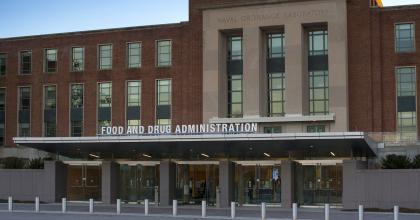
The FDA has advised pregnant women to avoid using acetaminophen, the active ingredient in Tylenol, unless specifically directed by a healthcare provider. This recommendation comes despite significant criticism from medical experts who question the evidence supporting such a broad warning. The agency cites potential developmental risks that require further investigation.
Medical organizations have expressed concern that the FDA's position may cause unnecessary alarm among pregnant women who rely on acetaminophen for pain relief. Many obstetricians continue to recommend the medication as a safer alternative to other pain relievers during pregnancy. The debate highlights the challenges regulators face when balancing precautionary principles with practical medical guidance.

NASA's New Astronaut Selection
Meanwhile, NASA has introduced its latest class of astronaut recruits, selected from thousands of applicants. These new candidates will undergo extensive training in preparation for future missions to the International Space Station, lunar orbit, and eventually Mars. The selection reflects NASA's ongoing commitment to human space exploration.
The astronaut candidates come from diverse backgrounds including military service, scientific research, and engineering. Their training will include spacecraft systems, spacewalk procedures, robotics, and language skills. This new class represents the next generation of space explorers who may participate in upcoming Artemis program missions to the Moon.

Regulatory Science and Space Exploration
These parallel developments demonstrate the broad spectrum of scientific and regulatory activities occurring simultaneously. While the FDA addresses terrestrial health concerns through cautious regulatory approaches, NASA continues pushing the boundaries of human exploration beyond Earth. Both organizations operate within complex scientific frameworks that require balancing innovation with safety considerations.
The contrasting nature of these announcements—one urging caution regarding common medications, the other embracing ambitious space exploration—illustrates the diverse challenges facing government science agencies. Each decision carries significant implications for public health and scientific progress.
As both stories develop, they will continue to shape discussions about medication safety during pregnancy and the future of human spaceflight. The outcomes will influence medical practice and space exploration strategy for years to come.