Global Diplomatic Shifts and Domestic Policy Updates: A News Wrap Analysis
This news analysis covers significant international diplomatic developments as Canada, Australia, the UK, and Portugal formally recognize Palestinian statehood. Domestically, the article examines Trump's planned nomination for Virginia attorney, the cancellation of the federal hunger report, and California's groundbreaking ban on law enforcement face coverings. These developments reflect evolving global diplomacy and domestic policy directions with far-reaching implications.
In a significant week for international relations and domestic policy, several Western nations have taken decisive diplomatic actions while the United States witnesses important governmental changes. These developments span from global recognition of statehood to local law enforcement reforms, reflecting the complex interplay between international diplomacy and domestic governance.

International Diplomatic Recognition
Canada, Australia, the United Kingdom, and Portugal have formally recognized a Palestinian state, marking a significant shift in Western diplomatic approaches to the Israeli-Palestinian conflict. This collective move represents a coordinated effort among key Western allies to advance Palestinian statehood aspirations through formal diplomatic channels. The recognition signals growing international consensus on the need for a two-state solution and may influence future peace negotiations in the region.
Domestic Political Appointments
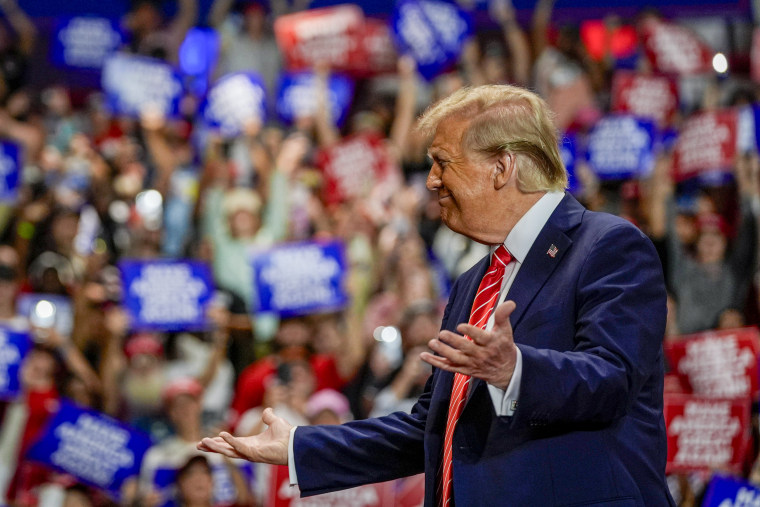
In United States political developments, former President Trump plans to nominate a senior White House aide as the new U.S. attorney for Virginia. This anticipated appointment reflects ongoing political staffing decisions that could shape federal law enforcement priorities in the region. The nomination process will undergo standard congressional review procedures, with potential implications for federal prosecutorial strategies in Virginia.
Federal Policy Changes
The federal government's annual report on hunger in America is being canceled, representing a significant shift in governmental transparency regarding food insecurity metrics. This decision eliminates a key data source that policymakers and advocacy groups have historically used to track hunger trends and allocate resources. The cancellation may affect future anti-hunger program planning and funding decisions at both federal and state levels.
State-Level Law Enforcement Reform
California has become the first state to ban law enforcement officers from wearing face coverings while on duty. This groundbreaking legislation addresses concerns about police accountability and public identification during law enforcement interactions. The ban represents a significant step toward increasing transparency in police-citizen encounters and may influence similar legislation in other states considering police reform measures.

These developments collectively illustrate the dynamic nature of both international diplomacy and domestic policy-making. From global recognition of statehood to local law enforcement reforms, these decisions will likely have lasting impacts on international relations, domestic governance, and public policy implementation. The convergence of these events underscores the interconnectedness of global and local political landscapes in shaping contemporary governance approaches.