4.3 Magnitude Earthquake Shakes San Francisco Bay Area
A 4.3 magnitude earthquake struck the San Francisco Bay Area, causing noticeable shaking and triggering emergency alerts. Residents reported feeling tremors and receiving mobile notifications through early warning systems. The seismic event serves as a reminder of the region's vulnerability to earthquakes and the importance of preparedness measures.
A 4.3 magnitude earthquake recently jolted the San Francisco Bay Area, causing noticeable shaking that prompted residents to report tremors and receive emergency alerts on their mobile devices. The seismic event, while moderate in intensity, served as a stark reminder of the region's ongoing vulnerability to earthquake activity.
Earthquake Impact and Public Response
The earthquake generated sufficient force to cause residents throughout the affected area to feel distinct shaking in their homes and workplaces. Many individuals received alerts through the ShakeAlert system, which provides early warning notifications to mobile devices when seismic activity is detected. This rapid notification system demonstrates the technological advancements in earthquake preparedness that can provide crucial seconds for protective actions.
Regional Seismic Context
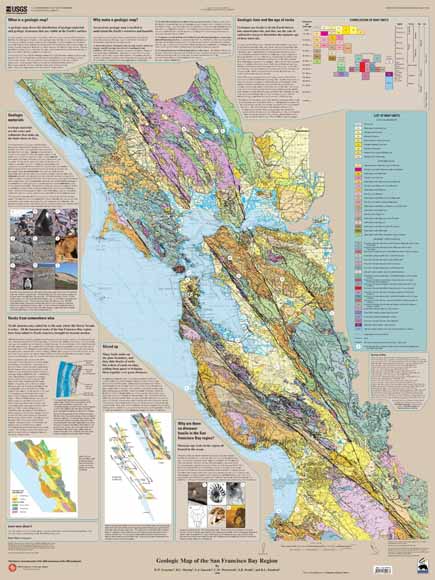
The San Francisco Bay Area sits within a complex network of active fault lines, including the famous San Andreas Fault system. Earthquakes of this magnitude occur periodically throughout the region as tectonic plates continue to shift and accumulate stress. While a 4.3 magnitude earthquake typically causes minimal structural damage, it serves as an important reminder of the potential for larger, more destructive seismic events.

Emergency Preparedness Importance
Events like this recent earthquake highlight the critical importance of individual and community preparedness. Residents should maintain emergency kits containing water, food, medications, and essential supplies sufficient for at least 72 hours. Familiarity with earthquake safety protocols, such as "Drop, Cover, and Hold On," can significantly reduce injury risk during seismic events.
Community infrastructure resilience continues to be a priority for Bay Area municipalities. Building codes have been strengthened over recent decades to improve structural performance during earthquakes, while emergency response systems have been enhanced to coordinate rapid assistance when needed.
Conclusion
The recent 4.3 magnitude earthquake in the San Francisco Bay Area provided both a physical reminder of the region's seismic activity and a test of emergency notification systems. While causing minimal damage, the event reinforces the necessity of ongoing preparedness efforts at individual, community, and governmental levels. As tectonic forces continue to shape California's landscape, maintaining vigilance and readiness remains essential for public safety.