The Significance of Lapis Lazuli in Ancient and Modern Jewelry
Lapis lazuli, a semi-precious stone known for its deep blue color and distinctive gold speckling, has been prized for millennia in jewelry and decorative arts. This article explores the historical significance, geological properties, and cultural value of lapis lazuli, particularly in the context of fine jewelry craftsmanship. From ancient Egyptian artifacts to contemporary designs, lapis lazuli continues to captivate with its unique beauty and enduring appeal.
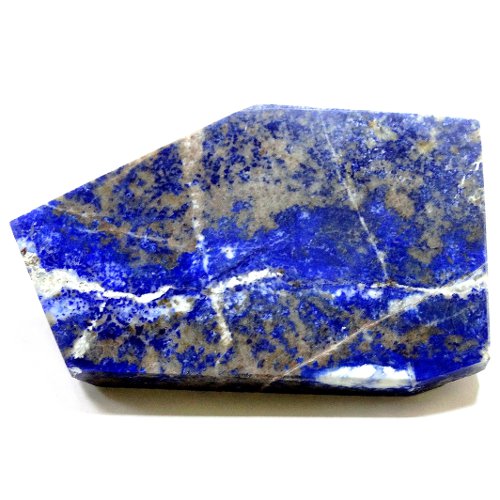
Lapis lazuli stands as one of the most historically significant semi-precious stones, renowned for its intense blue coloration and characteristic golden pyrite inclusions that create a celestial appearance. This distinctive gemstone has been treasured across civilizations for thousands of years, particularly in fine jewelry and ornamental objects.
Geological Properties and Formation
Lapis lazuli forms through metamorphic processes, primarily composed of lazurite minerals along with calcite, sodalite, and pyrite. The stone's signature blue color comes from the sulfur-rich lazurite component, while the golden flecks result from pyrite inclusions. The finest quality lapis originates from the Badakhshan province in Afghanistan, where it has been mined for over 6,000 years. Other sources include Chile, Russia, and smaller deposits in various regions.
Historical Significance
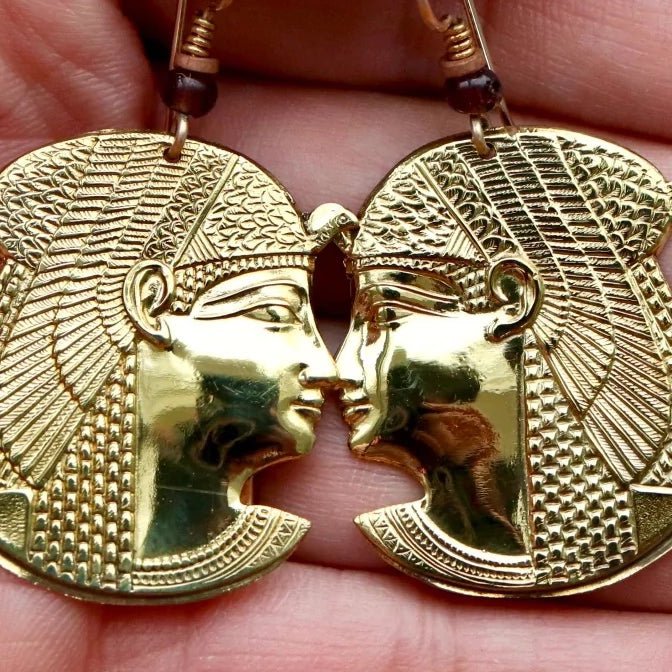
The historical importance of lapis lazuli cannot be overstated. Ancient Egyptians used the stone extensively in jewelry, amulets, and burial ornaments, believing it possessed protective qualities. Cleopatra famously used powdered lapis as eyeshadow. Mesopotamian civilizations valued lapis for cylinder seals and decorative items, while Renaissance artists ground the stone to create ultramarine pigment, the most expensive blue paint of the era.
Modern Applications and Value
In contemporary jewelry, lapis lazuli remains popular for its vivid color and historical appeal. Jewelers often cut the stone into cabochons, beads, and inlay pieces. The value depends on color intensity, uniformity, and the presence of desirable pyrite inclusions. High-quality Afghan lapis commands premium prices, while treated or synthetic alternatives offer more affordable options. The stone's durability (5-6 on Mohs scale) makes it suitable for various jewelry applications when properly cared for.
Lapis lazuli continues to symbolize wisdom, truth, and royalty across cultures. Its enduring popularity demonstrates how ancient materials maintain relevance in modern design, connecting contemporary wearers to millennia of artistic tradition and cultural heritage.