The True Meaning of Peacekeeping: Defending the Dignity of Peace
Peacekeeping represents a profound commitment to protecting human dignity rather than demonstrating military strength. This article explores how peacekeeping operations focus on creating stability, protecting civilians, and building sustainable peace through diplomatic and humanitarian efforts. The approach emphasizes collaboration, cultural understanding, and long-term conflict resolution over military dominance.
Peacekeeping represents one of the most noble and complex endeavors in international relations, fundamentally centered on protecting human dignity rather than demonstrating military might. This approach transforms conflict zones into spaces where stability can gradually emerge through careful diplomacy, protection of civilians, and sustainable peace-building efforts. The essence of true peacekeeping lies in its commitment to creating conditions where communities can rebuild and thrive without the constant threat of violence.
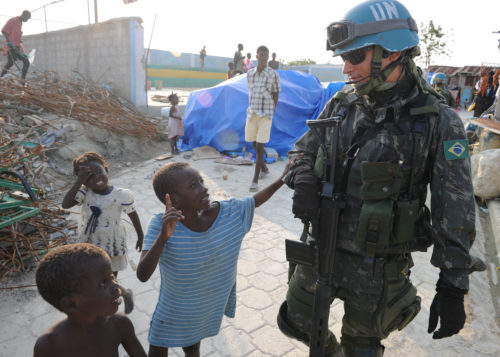
Modern peacekeeping operations have evolved significantly from traditional military interventions. Today's peacekeepers serve as mediators, protectors, and facilitators who work to create environments where political solutions can take root. Their role extends beyond mere presence to actively engaging with local communities, understanding cultural contexts, and building trust that forms the foundation for lasting peace.
The Humanitarian Foundation of Peacekeeping
At its core, peacekeeping operates on humanitarian principles that prioritize human security over political objectives. Peacekeepers are trained to de-escalate tensions, protect vulnerable populations, and facilitate dialogue between conflicting parties. This human-centered approach distinguishes peacekeeping from conventional military operations, focusing on prevention rather than confrontation and on building rather than destroying.
International Collaboration in Peace Operations
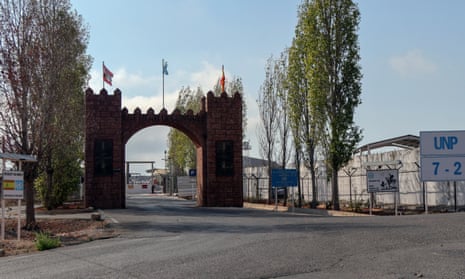
Effective peacekeeping requires unprecedented levels of international cooperation and coordination. Nations contribute personnel, resources, and expertise to create multinational forces that represent global commitment to peace. This collaborative model ensures diverse perspectives and shared responsibility for maintaining international security and stability.
The success of peacekeeping missions depends on careful planning, clear mandates, and sustained international support. When properly executed, these operations can transform conflict-affected regions, protect human rights, and create pathways for political resolution that respect the dignity and aspirations of all involved parties.