The Transformation of Media Gatekeeping in the Social Media Era
The rapid online dissemination of graphic content, such as the Kirk shooting video, demonstrates how social media has fundamentally altered traditional media gatekeeping roles. News organizations no longer control the flow of information as digital platforms enable instant global distribution of content. This shift raises important questions about content moderation, public access to information, and the evolving responsibilities of media institutions in the digital age.
The instantaneous online availability of graphic content, exemplified by the Kirk shooting video that reached millions within moments, represents a seismic shift in how information flows through society. This phenomenon illustrates the dramatic transformation of traditional media gatekeeping functions in the social media era, where control over information dissemination has moved from established news organizations to digital platforms and individual users.
The Evolving Role of Media Gatekeeping
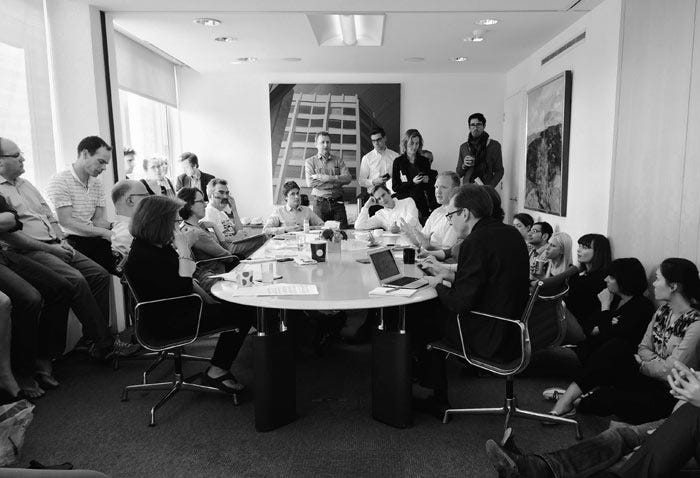
Traditional news organizations historically served as gatekeepers, carefully curating and verifying information before public release. This process involved editorial oversight, fact-checking, and ethical considerations about what content should reach public audiences. The gatekeeping function ensured some level of quality control and protected audiences from potentially harmful or unverified information.
Social Media's Disruptive Impact
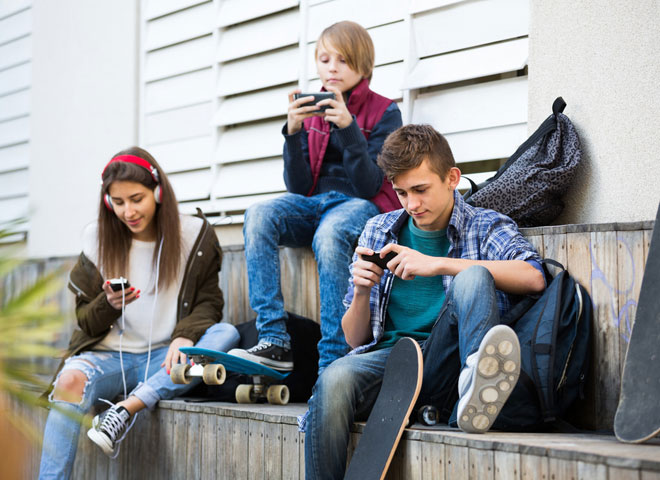
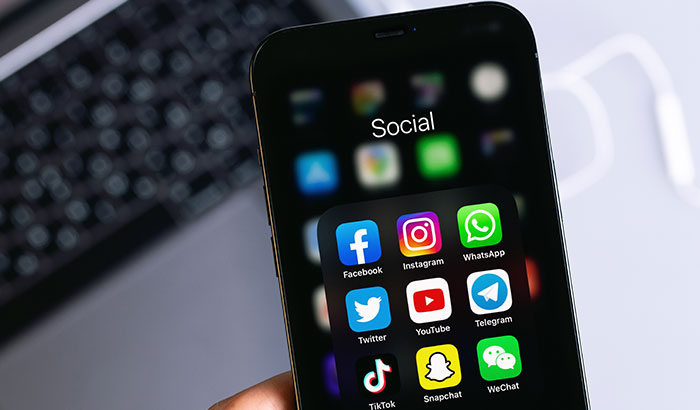
Social media platforms have fundamentally disrupted this established system by enabling direct content sharing between users. The Kirk shooting video case demonstrates how graphic material can bypass traditional media filters and reach global audiences within minutes. This immediacy creates new challenges for content moderation, public safety, and information integrity.
Implications for Society and Media
The diminished gatekeeping role raises significant questions about public access to unfiltered content. While increased transparency can promote accountability, unrestricted distribution of graphic material poses risks to public mental health and may compromise legal proceedings. News organizations now face the challenge of adapting their reporting practices while maintaining ethical standards in this new environment.
This transformation requires reevaluating how society balances the benefits of immediate information access with the need for responsible content distribution. The ongoing evolution of digital platforms continues to reshape our understanding of media responsibility and public information consumption.