ICE Raid Targets Hyundai's Georgia EV Manufacturing Facility
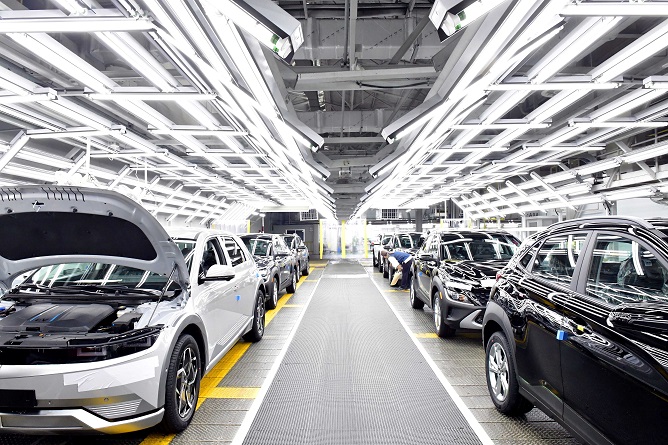
Federal immigration authorities conducted a major operation at Hyundai's Georgia electric vehicle manufacturing complex, one of the state's largest industrial sites. The facility, which produces electric vehicles and is constructing a massive EV battery plant, represents a significant investment in Georgia's automotive manufacturing sector. This enforcement action highlights ongoing concerns about immigration compliance in major manufacturing operations.
Federal immigration authorities have executed a significant enforcement operation at Hyundai's major electric vehicle manufacturing facility in Georgia, marking one of the largest such actions in the state's industrial sector. The targeted site represents a cornerstone of Georgia's automotive manufacturing landscape, where Hyundai produces electric vehicles and is actively developing a substantial EV battery production plant.

The operation focused on one of Georgia's most prominent manufacturing locations, underscoring the scale and importance of Hyundai's investment in the state's electric vehicle infrastructure. This facility stands as a critical component of the automotive industry's transition toward electric mobility, making the enforcement action particularly noteworthy within manufacturing and immigration compliance circles.
Facility Significance and Operations
Hyundai's Georgia manufacturing complex represents a multi-billion dollar investment in electric vehicle production capabilities. The site not only manufactures complete electric vehicles but also includes ongoing construction for a dedicated EV battery production facility. This dual-function operation positions the location as a strategic asset in the North American electric vehicle supply chain, contributing significantly to regional employment and economic development.
Immigration Enforcement Context
The enforcement action conducted by Immigration and Customs Enforcement (ICE) reflects ongoing federal efforts to ensure compliance with immigration laws within major manufacturing operations. Such large-scale operations typically involve coordinated planning and execution, targeting facilities where immigration violations may impact workforce composition and operational compliance.
Manufacturing facilities of this scale often face complex workforce management challenges, particularly in regions with significant industrial development. The targeting of such a high-profile operation suggests heightened scrutiny of immigration compliance within critical manufacturing sectors that contribute substantially to regional economies.
Industry Implications
This enforcement action may have broader implications for the automotive manufacturing sector, particularly as companies expand electric vehicle production capabilities across the United States. The incident highlights the intersection of immigration enforcement, manufacturing operations, and the evolving electric vehicle industry landscape.
As automotive manufacturers continue to invest in domestic production facilities for electric vehicles and components, workforce compliance considerations remain a critical aspect of operational planning and execution. This event serves as a reminder of the complex regulatory environment facing large-scale manufacturing operations.

Regional Economic Impact
The Hyundai facility represents a substantial economic investment in Georgia, contributing to job creation and industrial development in the region. Enforcement actions of this magnitude can have ripple effects on local economies, workforce stability, and ongoing industrial development projects.
The situation underscores the delicate balance between immigration enforcement priorities and the operational needs of major manufacturing facilities that drive regional economic growth. It also highlights the ongoing challenges faced by manufacturers in maintaining compliant workforce practices while meeting production demands.
As developments continue to unfold, this incident may influence how manufacturing companies approach workforce management and compliance strategies, particularly in sectors experiencing rapid expansion and technological transformation.