Legal Battle Over U.S. Deportees Held in African Prison After Completing Sentences
Three men deported from the United States to Gambia remain imprisoned despite having completed their criminal sentences, according to their legal representatives. The U.S. Department of Homeland Security maintains these individuals pose significant public safety risks, while defense attorneys argue their continued detention violates due process rights and constitutes double punishment. This case highlights ongoing debates about immigration enforcement, criminal justice reform, and the treatment of non-citizens within the American legal system.
The controversial detention of three men in an African prison after their deportation from the United States has sparked a significant legal and ethical debate between immigration authorities and defense attorneys. According to court documents and legal representatives, these individuals completed their criminal sentences in the U.S. only to face indefinite imprisonment upon arrival in Gambia, raising serious questions about due process and the limits of immigration enforcement.

The U.S. Department of Homeland Security has characterized the three men as dangerous criminals who represent ongoing threats to public safety. Immigration officials argue that their removal and subsequent detention are justified by the severity of their original offenses and concerns about potential recidivism. This position reflects the department's broader mandate to protect national security and public welfare through rigorous immigration enforcement.
Legal Challenges and Due Process Concerns
Defense attorneys representing the detained men have mounted significant legal challenges to their continued imprisonment. Lawyers argue that their clients were legally released into the community after serving court-mandated sentences, only to be apprehended by immigration authorities and subsequently deported. The central legal argument maintains that indefinite detention following completed punishment constitutes double jeopardy and violates fundamental due process rights.
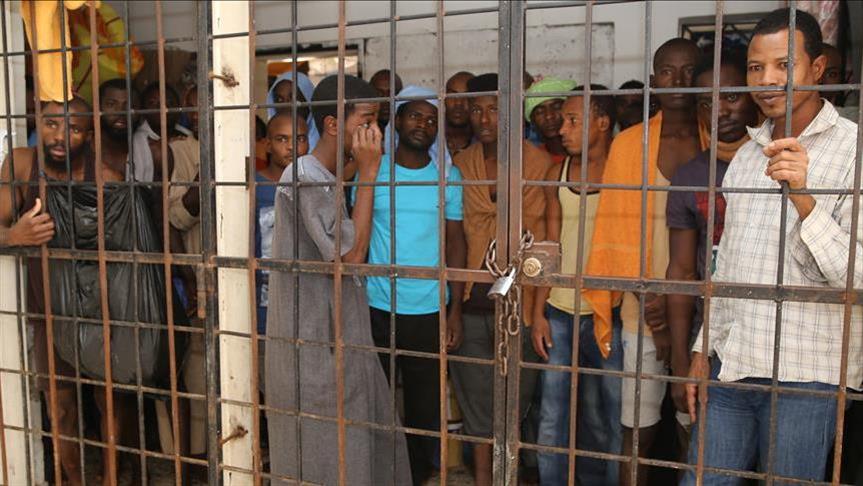
International Implications and Human Rights Considerations
This case has drawn attention from international human rights organizations and legal experts who monitor treatment of deportees. The situation raises questions about the extraterritorial application of U.S. immigration policy and the responsibilities of sending countries regarding the treatment of their deportees. Legal scholars note that while nations have sovereign rights to control immigration, international human rights standards may impose limitations on how individuals are treated post-deportation.
The ongoing legal battle continues in U.S. courts, with attorneys seeking judicial intervention to address what they characterize as unlawful detention. Meanwhile, immigration authorities maintain that their actions are fully consistent with existing laws and necessary for public protection. This case exemplifies the complex intersection of criminal justice, immigration enforcement, and international human rights considerations in contemporary governance.