Iran Fans React to Team’s First World Cup Match Amid Political Schisms
Iran's opening World Cup match against New Zealand in 2026 ended in a 2-2 draw, but the game was overshadowed by deep political divisions and a clash of flags. Fans in Tehran and Los Angeles celebrated the result, yet the event became a stage for expressing the ongoing schisms within Iranian society and its diaspora. This article explores the contrasting reactions and the political overtones that defined the match.
Iran's first match in the 2026 FIFA World Cup against New Zealand ended in a dramatic 2-2 draw, but the on-field action was only part of the story. For fans watching in Tehran and Los Angeles, the game was deeply tinged by war, politics, and a clash of symbols, reflecting the profound political schisms that continue to divide Iranian society and its global diaspora.
A Divided Celebration
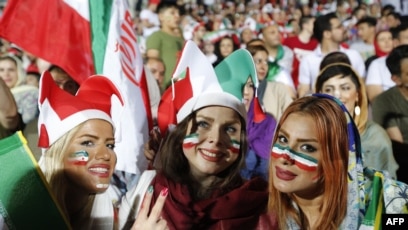
In Tehran, thousands of fans gathered in public squares and cafes to watch the match. The final whistle was met with a mixture of relief and joy, as the team secured a valuable point against a strong New Zealand side. However, the celebrations were not uniform. Some fans carried the official flag of the Islamic Republic, while others waved the pre-revolutionary Lion and Sun flag, a symbol often associated with opposition to the current government. This symbolic division was a stark reminder of the internal conflicts that have simmered for decades.
The Diaspora Perspective
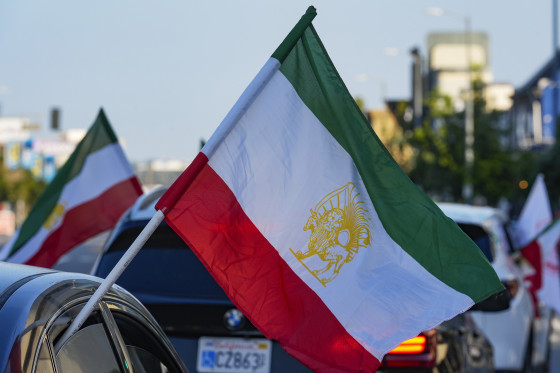
Across the Atlantic in Los Angeles, home to a large Iranian-American community, the atmosphere was equally charged but markedly different. Many fans in LA openly displayed the Lion and Sun flag, using the match as a platform to voice their political dissent. For them, the game was not just about sport but about identity and resistance. The draw was celebrated as a national achievement, but the political undertones were inescapable, with chants and banners referencing ongoing protests and human rights issues back in Iran.
Flags as Political Statements
The 'clash of flags' observed at the match and in fan gatherings highlights a broader struggle over national identity. The Islamic Republic flag represents the current theocratic government, while the Lion and Sun symbol is historically associated with the monarchy and, more recently, with pro-democracy and secular movements. This visual confrontation during a global sporting event amplified Iran's internal divisions to an international audience.
Sporting Achievement Amidst Tension
Despite the political tension, the Iranian team's performance on the pitch was a source of national pride. Coming from behind to secure a 2-2 draw against a formidable opponent demonstrated resilience and skill. For many fans, it was a moment to focus on the unifying power of sport, even if only for 90 minutes. The match served as a rare occasion for collective celebration, albeit one fractured by deeper societal disagreements.
Conclusion: A Reflection of a Nation
The reactions to Iran's first World Cup match reveal a nation at a crossroads. The game was a mirror reflecting both the unifying potential of football and the deep political fissures that persist. As the tournament progresses, the team's performance will continue to be watched closely, not just for sporting success, but for what it reveals about the hopes, divisions, and identity of Iran and its people worldwide.