Italian Menswear Market Shows Resilience as Domestic Sales Offset Export Decline
While Italian menswear exports fell by 2.9% and imports dropped by 8.3% in the first two months of 2026, the domestic market provided a partial counterbalance as Italian sell-out rose by 3.9% over the same period. The growth was particularly driven by neckties, leather clothing, and knitwear. This article analyzes the contrasting signals in Italy's menswear sector, highlighting the strength of local demand in the face of weakening international trade. We explore the categories that are propelling this domestic upturn and what it means for the broader fashion industry.
The Italian menswear sector is sending mixed signals in early 2026. While foreign trade data reveals a notable contraction—with exports declining by 2.9% and imports sinking by 8.3% in the first two months of the year—the domestic market tells a more optimistic story. According to the latest data, Italian sell-out rose by 3.9% over the same two-month period, driven by strong performances in neckties, leather clothing, and knitwear.
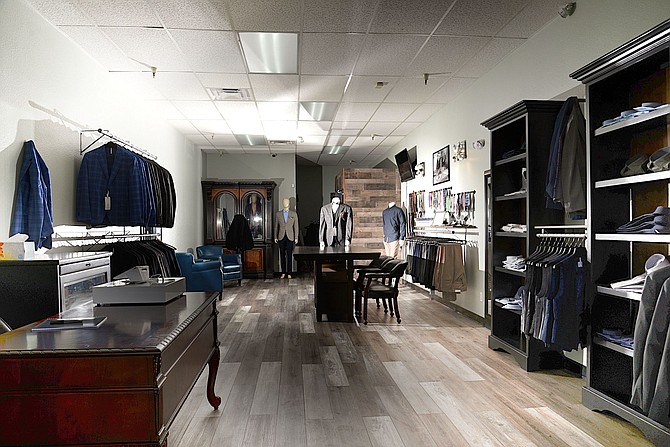
This divergence between foreign and domestic performance underscores a key trend: Italian consumers are sustaining their appetite for high-quality menswear, even as international demand softens. The 2.9% drop in exports reflects broader global headwinds, including supply chain adjustments and shifting demand patterns in key markets. However, the 3.9% domestic sell-out growth suggests that local brands and retailers are successfully tapping into home-country loyalty and a preference for craftsmanship.
Among the standout categories, neckties, leather clothing, and knitwear have emerged as the primary drivers of domestic sales. Neckties, once considered a declining accessory, have seen renewed interest, perhaps tied to a return to formal and semi-formal dressing in workplace and social settings. Leather clothing continues to benefit from Italy's historic expertise in leatherworking, while knitwear thrives due to its versatility and the enduring appeal of Italian-made quality.
The 8.3% drop in imports further highlights that foreign-made menswear is facing greater resistance in the Italian market. This could reflect both a shift toward domestic sourcing and a competitive edge held by Italian producers in categories where they traditionally excel. For businesses operating in this space, the data suggests that while international expansion faces hurdles, there are clear opportunities to consolidate and grow within Italy's borders.
Overall, the menswear landscape in Italy is characterized by a tale of two markets: a challenging international environment and a resilient domestic base. Brands that can leverage local strengths—particularly in leather, knitwear, and accessories like neckties—may be best positioned to weather the downturn in exports while capitalizing on home-market demand.

Looking ahead, the sustainability of this domestic momentum will depend on factors such as consumer confidence, economic stability, and the ability of Italian brands to maintain their reputation for quality. The early months of 2026 have provided a valuable signal: even when global trade winds shift, Italy's fashion industry retains a powerful anchor in its home market.
For industry stakeholders, the message is clear: double down on domestic engagement, continue to invest in the categories that resonate locally, and use the home market as a springboard for eventual export recovery. The partial offset provided by Italian sell-out is not merely a silver lining—it is a strategic asset.