Read on the Guardian
Congo-Brazzaville Football Chief Convicted, Interpol Warrant Sought for $1.1M FIFA Fund Embezzlement
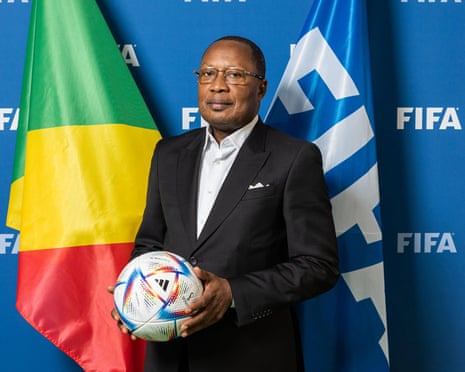
Jean-Guy Blaise Mayolas, president of Congo-Brazzaville's football federation, has been convicted in absentia and sentenced to life imprisonment for embezzling $1.1 million in FIFA funds, including money designated for the women's national team. Authorities have requested an Interpol international arrest warrant as Mayolas remains on the run with his wife and son. The case highlights significant corruption issues in football governance and the misuse of FIFA's COVID-19 relief funding intended to support the sport during the pandemic.
The world of international football governance faces another significant corruption scandal as authorities in the Republic of the Congo pursue the former president of their national football federation for embezzling substantial FIFA funds. Jean-Guy Blaise Mayolas, who led the Fédération Congolaise de Football (Fecofoot), has been convicted of diverting $1.1 million intended to support football development, including critical funding for the women's national team during the COVID-19 pandemic. This case represents a serious breach of trust in football administration and raises questions about oversight mechanisms for international sports funding.
The Conviction and Charges
On March 10, a court in Brazzaville convicted Mayolas, his wife, and son in absentia on multiple serious charges. According to court documents and reporting from The Guardian, the charges included money laundering, forgery, use of forged documents, and embezzlement of public funds. All three family members received life imprisonment sentences, reflecting the severity of the crimes in the eyes of Congolese authorities. The case represents one of the most significant corruption prosecutions in African football administration in recent years.
The conviction followed a comprehensive investigation that revealed systematic misuse of FIFA funding over several years. Prosecutors presented evidence showing how Mayolas allegedly used shell companies to divert funds intended for football development in Congo-Brazzaville. The scheme reportedly involved creating false documentation and laundering money through complex financial arrangements designed to conceal the origins and destinations of the embezzled funds.
Misuse of FIFA COVID-19 Relief Funds
The most egregious aspect of the case involves the diversion of FIFA's COVID-19 relief funding, which was specifically intended to support football organizations struggling during the pandemic. In February 2021, FIFA distributed $500,000 to Fecofoot as part of its global relief plan to help national associations maintain operations and support their football communities during the health crisis. This funding was particularly crucial for developing football nations like Congo-Brazzaville, where resources are often limited.
Investigators discovered that only $20,000 of the $500,000 actually reached its intended beneficiaries. The women's national team, which was supposed to receive substantial support from these funds, reportedly saw minimal financial assistance despite the significant allocation. This diversion of pandemic relief money represents not just financial corruption but also a betrayal of the athletes and football community who depended on this support during challenging economic times.
International Manhunt and Interpol Involvement
Following the conviction, Congolese authorities have formally requested an international arrest warrant through Interpol to facilitate the capture of Mayolas and his family members. Investigators believe the fugitives may have fled to neighboring countries, with Cameroon and the Democratic Republic of the Congo identified as possible hiding locations. Regional police forces have been alerted, and international cooperation has been initiated to track down the convicted individuals.
Financial intelligence units, including France's Tracfin, are working to freeze assets linked to the case. This international cooperation reflects the cross-border nature of financial crimes involving international sports organizations and highlights the growing coordination between national law enforcement agencies in pursuing sports corruption cases. The involvement of multiple countries' financial intelligence units suggests the embezzled funds may have been moved through international banking systems.
Broader Implications for Football Governance
This case has already had significant consequences for Congolese football. Last year, FIFA suspended Congo-Brazzaville from international competition due to "third-party interference" after the country's sports ministry suspended Mayolas during the fraud investigation. This suspension forced Congo to forfeit World Cup qualifying matches against Tanzania and Zambia, with both opponents awarded 3-0 victories. The ban was only lifted when Fecofoot regained control of its headquarters, though Mayolas and other officials were prevented from traveling to FIFA events.
FIFA has opened its own disciplinary proceedings against Mayolas, Fecofoot's general secretary Badji Mombo Wantete, and treasurer Raoul Kanda for alleged financial misconduct. The world governing body is considering charges including conflict of interest, forgery, and improper acceptance of gifts. This represents FIFA's ongoing efforts to address corruption within its member associations, though critics argue that stronger preventive measures and oversight could have prevented such significant fund diversion.
Historical Context and Previous Sanctions
This is not the first time Mayolas has faced ethics violations. In 2015, both Mayolas and Wantete received six-month bans from FIFA for ethics violations related to gifts and benefits. This previous sanction raises questions about why stronger oversight wasn't implemented following these earlier violations. The pattern suggests systemic issues within the administration of Congolese football that allowed corruption to flourish despite previous warnings and sanctions.
The case also highlights the challenges facing FIFA in ensuring proper use of its development funds. While the organization has implemented stronger financial controls in recent years, cases like this demonstrate that determined individuals can still find ways to divert funds intended for football development. This raises important questions about monitoring mechanisms, transparency requirements, and accountability structures for international sports funding.
Conclusion and Ongoing Developments
The pursuit of Jean-Guy Blaise Mayolas represents a significant moment in the fight against corruption in international football. The case demonstrates both the vulnerabilities in current systems and the growing determination of authorities to pursue sports-related financial crimes. As the international manhunt continues and financial investigations proceed, this case will likely influence how FIFA and other international sports organizations structure their funding and oversight mechanisms.
The impact on Congolese football has been substantial, with the national team suffering competitive disadvantages due to the administrative fallout. More importantly, the diversion of funds intended for women's football development represents a setback for gender equality in sports in the region. As authorities work to bring the convicted individuals to justice and recover embezzled funds, the football community must reflect on how to build more transparent and accountable governance structures to prevent similar cases in the future.