NFL Free Agency 2026: Awards, Market Trends, and Surprising Moves
The 2026 NFL free agency period delivered significant market shifts and intriguing team strategies. The edge rusher market exploded with record contracts, the Tennessee Titans leaned heavily on familiar connections, and veteran receiver Mike Evans found a new home with the San Francisco 49ers. This analysis explores the key awards and trends from the early signing period, highlighting how teams navigated a rapidly evolving financial landscape and positioned themselves for the upcoming season.
The opening days of the 2026 NFL free agency period have concluded, revealing a landscape defined by aggressive spending, strategic reunions, and a few head-scratching decisions. While the official league year was set to begin later in the week, the "legal tampering" window effectively served as the main event, with most major deals agreed upon in advance. This analysis breaks down the most notable trends and transactions, awarding superlatives to the moves that defined this cycle's market dynamics and team-building philosophies.

The Dominoes Award: The Exploding Edge Rusher Market
The most significant financial story of free agency was the staggering inflation of the edge rusher market. The cycle was kicked off by the Carolina Panthers' aggressive signing of Jaelan Phillips to a four-year, $120 million deal with $80 million guaranteed. This contract, averaging $30 million per year, set a new benchmark well above pre-free agency projections and placed Phillips among the league's highest-paid defensive players. His deal, focused on a player known more for consistent pressure than elite sack totals, signaled a desperate market for pass rush help.
This move created a ripple effect. Odafe Oweh followed, landing a four-year, $100 million contract with the Washington Commanders, and Boye Mafe joined the Cincinnati Bengals on a three-year, $60 million deal. Both figures significantly exceeded expert forecasts. These signings highlighted a league-wide willingness to pay premium prices for players viewed as having untapped potential or rotational success, betting that expanded roles would yield greater production. The collective spending spree on this position group reshaped the second-tier market, potentially creating future challenges for teams negotiating extensions with their own emerging pass rushers.
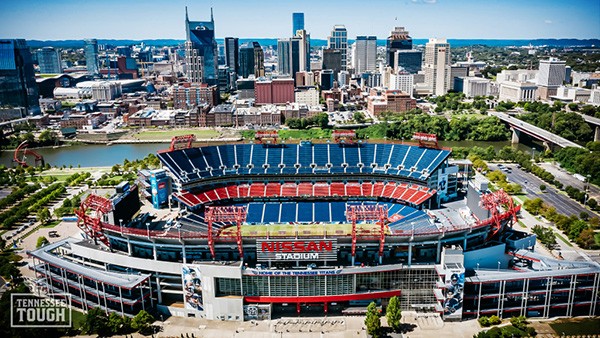
The Friendship Award: The Tennessee Titans' Reunion Tour
Few teams embraced the connective nature of NFL coaching changes more than the Tennessee Titans. Under new head coach Robert Saleh and offensive coordinator Brian Daboll, the Titans aggressively targeted players from their former organizations. This strategy led to major signings like defensive tackle John Franklin-Myers (from Saleh's New York Jets) and wide receiver Wan'Dale Robinson (from Daboll's New York Giants).
This approach of signing familiar veterans can accelerate a cultural install and provide immediate schematic understanding for a rebuilding team. While the long-term success of importing multiple players from a Giants team that struggled under Daboll is questionable, the short-term benefits of roster stabilization and leadership are clear. The Titans' spending spree demonstrated a belief in the power of established relationships to fast-track competency, a common theme for teams with new coaching staffs looking to establish their foundation quickly.
The Market Buster Award: Tyler Linderbaum Resets the Center Market
In one of the most shocking deals of the period, the Las Vegas Raiders signed center Tyler Linderbaum to a three-year, $81 million contract. At $27 million per year, Linderbaum's deal represents a monumental 50% increase over the previous top contract at the position. This move fundamentally reset the market for interior offensive linemen, placing Linderbaum's value among the league's elite tackles.
The Raiders, armed with significant cap space, made a decisive move to secure a premier young player at a critical position. This contract will undoubtedly influence future negotiations for top centers on rookie deals, like Pittsburgh's Zach Frazier and Tampa Bay's Graham Barton. Whether this deal becomes an outlier or a new standard for the position will be a key trend to monitor in coming years, as it challenges traditional positional valuation hierarchies.

Strategic Fits and Questionable Overpays
Beyond the major market trends, several individual moves stood out for their strategic fit or perceived overvaluation. The San Francisco 49ers' acquisition of veteran wide receiver Mike Evans on a team-friendly, incentive-laden deal was widely praised. Evans provides a contested-catch and red-zone threat that head coach Kyle Shanahan's offense has historically lacked, offering a potential perfect schematic fit if he can stay healthy.
Conversely, the Cleveland Browns' signing of guard Zion Johnson to a three-year, $49.5 million deal raised eyebrows. Johnson, while young and durable, has not consistently performed as an above-average starter during his tenure with the Los Angeles Chargers. The contract placed him at the top of the guard market, a significant investment for a player with documented pass-protection struggles. This deal exemplified the risks of free agency, where need and potential often command premiums over proven performance.
Conclusion: A Period of Aggression and Calculated Risks
The 2026 NFL free agency period underscored a league in financial flux, with a rising salary cap empowering teams to make aggressive plays for perceived difference-makers. The explosion of the edge rusher market and the record-setting deal for a center illustrate how positional values can shift rapidly. Meanwhile, teams like the Titans showed the enduring value of personal connections in roster construction, while others like the Cardinals signaled a clear eye toward future draft capital at the quarterback position.
As these contracts play out on the field, the true winners and losers of this spending spree will become clear. For now, the period has set the stage for a fascinating 2026 season, with several franchises betting heavily that their free agency investments will translate into immediate contention.