How an Extended Crisis in Iran Could Reshape Global Air Travel and Ticket Prices
Airline ticket prices are already climbing, but a prolonged conflict in Iran could trigger more significant disruptions across the global travel industry. This article examines the direct link between geopolitical instability, jet fuel costs, and consumer airfares. We explore how airlines are responding to volatile fuel prices, the potential for schedule cuts and new fees, and what travelers can expect in the coming months as the situation develops.
The global travel industry operates on a delicate balance of predictable costs and stable geopolitics. When that balance is disrupted, as it has been by the recent conflict in Iran, the ripple effects are felt from airline boardrooms to travelers' wallets. Airline ticket prices, already on an upward trajectory, face additional pressure that could reshape travel economics for the foreseeable future. This analysis explores the mechanisms through which an extended crisis in the Middle East impacts jet fuel supply, airline operational strategies, and ultimately, the cost and experience of air travel worldwide.
The Direct Link: Geopolitical Conflict and Jet Fuel Costs
The most immediate impact of the Iran conflict on aviation is the disruption to global oil markets. Jet fuel prices have experienced significant volatility, with reports indicating a sharp increase since hostilities began. This is critical because jet fuel constitutes between 25% and 35% of an airline's operating costs. When this primary expense surges, carriers have little choice but to adjust their financial models to remain solvent. The disruption in vital shipping lanes, particularly those transporting crude and refined oil through the Strait of Hormuz, limits global trade and tightens supply, creating a classic supply-demand shock that drives prices higher.
Airlines' Initial Response: Surcharges and Strategic Pricing
In the face of rising costs, airlines are not standing still. The initial response has been the implementation or increase of fuel surcharges. Carriers like Air Asia and Hong Kong Airlines have explicitly added to these fees. As United Airlines CEO Scott Kirby noted, airfares tend to rise rapidly with fuel prices, though they can also decrease if costs normalize. However, the airline pricing system is not instantaneous. Airlines set schedules, routes, and initial ticket prices months in advance. This means the financial strain from today's high fuel costs may only be recouped through ticket sales for flights well into the future, creating a lag effect for consumers.
Operational Adjustments Behind the Scenes
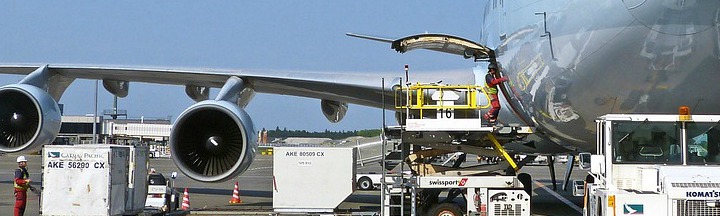
Beyond ticket prices, airlines are making operational tweaks to improve fuel efficiency. These include carefully calculating the exact amount of fuel needed for each flight to reduce weight and burn less fuel—a change largely invisible to passengers but crucial for cost control. The decision to raise fares is complex, as it directly impacts demand. Airlines must navigate the "three devils" of volatility: in fuel price, in passenger demand, and in weather. Raising prices is not an automatic decision, as it risks depressing the very ticket sales airlines rely on.
The Traveler Divide: Business vs. Leisure
A potential strategy for airlines is to shield different types of travelers unevenly from price hikes. Since the pandemic, many major airlines have shifted their focus toward premium and business travelers, who are generally less sensitive to price fluctuations as their travel is often expense-account funded. This means initial price increases might be more heavily weighted toward premium cabins and routes popular with business travelers. Conversely, tickets for weekend getaways or two-week vacations—typical leisure travel patterns—might see less immediate impact. However, this strategy is untested during a sustained financial squeeze, and if high fuel prices persist, all fare categories will likely be affected.
Long-Term Implications: Schedule Cuts and New Fees
If the jet fuel price shock continues for weeks or months, more disruptive changes could emerge. Airlines may be forced to cut their schedules, starting with less profitable routes. Flights passing through conflict-affected airspace might also be canceled for safety and insurance reasons. Historically, during the 2008 fuel crisis, airlines introduced fees for checked bags and later carry-ons. While the industry has evolved, a prolonged cost environment could lead to new "ancillary revenues"—additional fees for services that were previously included, or reductions in baggage allowances. Implementing such systemic changes takes time, but they become more likely the longer the crisis endures.
Conclusion: A Wait-and-See Market
For now, the travel market is in a state of uncertainty. The risk of higher ticket prices has undoubtedly increased, but the extent of the increase remains unclear. Travelers planning summer or fall trips should monitor the situation closely, be flexible with dates and destinations if possible, and consider booking further in advance to lock in current rates before potential increases take effect. The global travel industry's resilience will be tested, and its adaptations will define the flying experience for the remainder of the year and beyond.