Read on bbc.com
Dresden's Historic Evacuation: WWII Bomb Safely Defused After Largest City Clearance
Dresden, Germany, has successfully completed its largest-ever evacuation after an unexploded 250kg British World War Two bomb was discovered near the collapsed Carola Bridge. Approximately 18,000 residents, tourists, and commuters were cleared from the city center as explosive ordnance disposal specialists safely removed the detonator and destroyed the device. The operation, which cordoned off historic landmarks like the Frauenkirche and the Semper Opera, highlights the enduring legacy of the 1945 Allied bombing campaign that devastated the city. This event underscores the ongoing challenges European cities face with wartime remnants and the complex historical shadows they cast.
The discovery of an unexploded British World War Two bomb in Dresden, Germany, triggered the city's most extensive evacuation to date, a stark reminder of the enduring physical legacy of 20th-century conflict. The 250kg (551lb) device was found near the site of the former Carola Bridge, which collapsed into the Elbe River in 2024, prompting a massive security operation that displaced thousands and brought the historic city center to a standstill. This incident not only tested Dresden's emergency response protocols but also reopened reflections on the city's traumatic wartime past and the long shadow it continues to cast over the present.

The Evacuation and Disposal Operation
On Wednesday, authorities in Dresden executed a meticulously planned evacuation affecting an estimated 18,000 people, including residents, tourists, and daily commuters. The police cordoned off a significant portion of the city's old town, an area rich with cultural heritage. Critical infrastructure and landmarks within the evacuation zone included the police headquarters, the state parliament of Saxony, several government ministries, and numerous social institutions such as retirement homes and daycare centers.
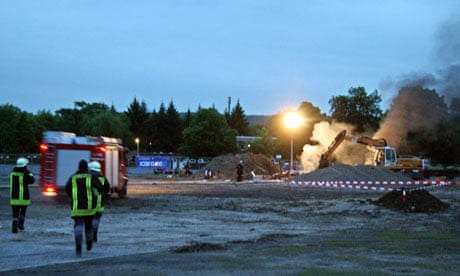
The operational climax occurred at 15:10 local time (14:10 GMT), when specialists from the explosive ordnance disposal service successfully removed the detonator from the historic bomb. Following this delicate procedure, the device was subsequently blown up in a controlled detonation. To manage the displaced population, authorities provided emergency accommodation at the Dresden Exhibition Centre from early morning, with additional public transport services laid on to ferry people to the safe location.
Historical Context: The Bombing of Dresden
The bomb's origin traces back to one of the most devastating chapters of World War Two. Dresden was attacked by British Royal Air Force bombers on the night of February 13, 1945, with US Army Air Forces continuing the assault in the following days. According to historical records referenced in the BBC report, the Allies dropped nearly 4,000 tons of bombs on the city. The resulting firestorm killed approximately 25,000 people and reduced much of the city center, once celebrated for its Baroque and Rococo architecture and nicknamed the "Jewel Box," to smoldering ruins.
The attack remains profoundly controversial. While some historians argue it was a strategically justified effort to cripple German transport and communications networks, others condemn it as a disproportionate act that constitutes a war crime. The discovery of this bomb, 81 years after the raids, physically manifests this unresolved historical debate. It is not an isolated find; four other bombs were uncovered during demolition work on the Carola Bridge just last year, indicating the scale of unexploded ordnance still buried beneath modern European cities.
Impact on the City and Its Heritage
The evacuation directly impacted Dresden's cultural heart. Famous landmarks like the Lutheran Frauenkirche, the Residenzschloss Palace, and the renowned Semper Opera House were all within the cordoned-off area and were inaccessible. The disruption was felt keenly at the Semper Opera, where rehearsals were cancelled. British tenor Stephen Chaundy, who is currently working there, offered a poignant reflection to the BBC, noting, "The past casts a long shadow." His statement encapsulates the complex emotional and historical resonance of a British-made weapon threatening a German cultural institution rebuilt from British-bombed rubble.
The painstaking reconstruction of Dresden's architectural treasures, such as the Frauenkirche and the Semper Opera, which took decades to complete, symbolizes the city's recovery from the war. This recent bomb disposal operation serves as an abrupt reminder that recovery is an ongoing process, with the past literally buried just below the surface. After the all-clear was given, residents were allowed to return home, and traffic restrictions were lifted, with the remnants of the bomb transported to a central collection point in Zeithain for final disposal.

Conclusion: A Legacy in the Ground
The successful defusing of the WWII bomb in Dresden concludes a significant emergency operation but leaves a lasting impression. It highlights the persistent danger that unexploded ordnance from World War Two poses across Europe, requiring continued vigilance and sophisticated disposal capabilities. Furthermore, the event forces a contemporary confrontation with history, intertwining public safety with collective memory. For Dresden, a city that has physically and symbolically rebuilt itself, such discoveries are a somber testament to the long and tangible shadow of war, a shadow that can still empty streets and silence opera houses eight decades later.