Google Pixel 10a Review: A Subtle Refresh in a Challenging Market
Google's Pixel 10a marks a departure from the typical A-series upgrade cycle, offering specs nearly identical to its predecessor, the Pixel 9a. This analysis explores the minor refinements, the strategic decision to maintain a $499 price point amidst rising memory costs, and whether the phone remains a compelling choice in the competitive mid-range smartphone segment. We examine the hardware similarities, new software features, and the broader implications for consumers and the industry.
Google's Pixel A-series has traditionally been a highlight of the company's smartphone lineup, delivering impressive value with meaningful annual upgrades. The Pixel 10a, however, breaks this pattern. As noted in a WIRED analysis, the new midrange handset is "nearly identical to last year's Pixel 9a," even sharing the same Tensor G4 chipset instead of adopting the newer Tensor G5. This review delves into the specifics of this subtle refresh, the rationale behind Google's conservative approach, and what it means for consumers seeking a capable smartphone under $500.

Hardware Analysis: Spot the Differences
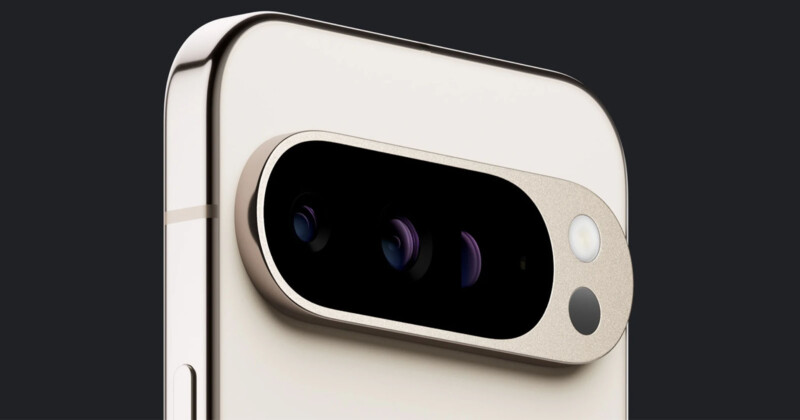
The Pixel 10a and Pixel 9a are remarkably similar on paper and in hand. Google's official stance, as reported, is that trade-offs were necessary "to maintain the $499 price," likely influenced by the skyrocketing cost of memory (RAM) affecting the entire consumer tech industry. The visual changes are minimal. The plastic ring surrounding the rear camera module on the Pixel 9a has been removed, making the 10a's back even more flush. On the front, the bezel surrounding the 6.3-inch pOLED display is slightly thinner and more uniform.
Display and Durability
The display itself sees a minor spec bump, with peak brightness increasing to 3,000 nits from 2,700 nits on the 9a. More notably, the cover glass has been upgraded from the aging Gorilla Glass 3 to Corning's Gorilla Glass 7i, offering significantly better scratch resistance—a practical, if unglamorous, improvement for long-term durability.
Battery and Charging
Battery capacity remains at 5,100 mAh, but wired charging speeds have increased to 30 watts (from 23 watts), and wireless charging now supports 10 watts (up from 7.5 watts). Google has incorporated the "pull jacket" battery removal mechanism from its flagship Pixel 10 series and retains the mandatory Battery Health Assistance tool designed to extend battery lifespan by managing voltage after numerous charge cycles.
Software and Features: The Real Upgrade?
With hardware upgrades being sparse, Google is emphasizing software to differentiate the Pixel 10a. The company is bringing select Pixel 10 features to the new device, including Camera Coach and Auto Best Take. Camera Coach analyzes the scene in real-time and offers suggestions to improve photography, while Auto Best Take captures multiple frames during a group photo and merges the best expressions from each person. Notably, these features are not initially being ported to the Pixel 9a, despite both phones sharing the same Tensor G4 chip and 8 GB of RAM.
The phone also supports Satellite SOS for emergency connectivity without cellular or Wi-Fi signals, a new addition for the A-series. Google maintains its commitment to seven years of software updates. Furthermore, the Pixel 10a supports cross-platform file sharing with iPhones via Google's Quick Share tool, which now works with Apple's AirDrop protocol.
Sustainability and Market Context
Google highlights the Pixel 10a as containing "the most recycled material of any A-series Pixel yet." The aluminum frame is made from 100% recycled content, and the back uses 81% recycled plastic. The phone also incorporates recycled cobalt, copper, gold, and tungsten for the first time in the series. In the broader market, the Pixel 10a's main competition in the US under-$500 segment remains limited. However, the anticipated iPhone 17e is rumored to support MagSafe/Qi2 wireless charging, a feature absent on the Pixel 10a, which could give Apple's mid-range offering a tangible advantage.
Conclusion: Value in a Holding Pattern
The Pixel 10a represents a cautious iteration from Google. It is not the generational leap that characterized earlier A-series models but rather a refined version of an already excellent phone. For new buyers, it remains a strong contender, offering a clean Android experience, reliable cameras, and long-term software support at $499. However, for existing Pixel 9a owners, there is virtually no reason to upgrade. The more interesting dynamic may be in the marketplace for the previous model. Google has confirmed it will continue selling the Pixel 9a, and its price is expected to drop at third-party retailers, potentially making it an even better value proposition than its successor. The Pixel 10a's restrained update cycle may be a sign of the times—a necessary compromise to navigate component cost inflation while delivering a consistent user experience.