Reekom's €2 Million Investment to Industrialize Revalorization
Reekom, a specialist in reconditioning clothing and furniture, is making a significant strategic move with a €2 million investment. This capital injection is earmarked for developing proprietary automation machinery, expanding its workforce by 100%, and establishing the operational foundation for a European expansion. This article explores the company's ambitious plan to scale its sustainable business model from a specialized service to an industrial-scale operation, positioning itself at the forefront of the circular economy in fashion and home goods.
In a bold step to scale its sustainable operations, Reekom has announced a strategic €2 million investment aimed at transforming its reconditioning processes. The company, which specializes in giving clothing and furniture a second life, plans to leverage this capital to develop proprietary machinery, significantly expand its team, and lay the essential groundwork for a pan-European rollout. This move signals a shift from manual, artisanal revalorization towards an industrialized, scalable model, positioning Reekom to meet growing consumer demand for circular economy solutions in the retail sector.

The Three-Pronged Investment Strategy
Reekom's €2 million investment is strategically allocated across three core areas designed to create a synergistic effect. The primary focus is technological innovation, followed by human capital expansion and infrastructural development for future growth. This holistic approach ensures that automation enhances rather than replaces skilled labor, while building a replicable framework for new markets.
1. Developing Proprietary Automation Machinery
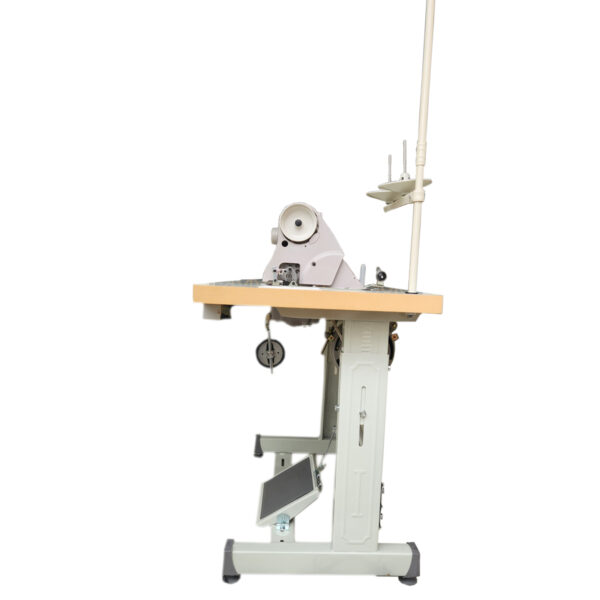
The cornerstone of Reekom's investment is the research and development of custom, proprietary machinery to automate key stages of its reconditioning workflow. Currently, processes like sorting, cleaning, repairing, and refurbishing clothing and furniture likely involve significant manual labor. By automating these steps, Reekom aims to increase throughput, improve consistency in quality, and reduce processing costs. This proprietary technology could become a key competitive advantage, as off-the-shelf solutions may not exist for the niche processes of high-quality revalorization.
2. Doubling the Workforce
Contrary to the common narrative that automation leads to job losses, Reekom plans to double its workforce. This indicates that the new machinery will handle repetitive, physically demanding tasks, freeing up human workers for higher-value activities. These new roles will likely be in areas such as quality control, complex repairs, customization, machine operation and maintenance, logistics, and customer service. The expansion reflects an intent to scale operations dramatically while enhancing, not diminishing, the role of skilled craftsmanship.
3. Groundwork for European Expansion
The third pillar of the investment involves creating the operational and logistical blueprint for expansion across Europe. This groundwork includes standardizing processes, developing training protocols for new sites, establishing supply chain partnerships for collecting used goods, and building a scalable IT and management infrastructure. By perfecting its model in its home market first, Reekom aims to create a franchise-like or centrally managed system that can be efficiently replicated in new cities and countries.
Strategic Implications for the Circular Economy
Reekom's move represents a significant maturation point for the re-commerce and revalorization sector. Moving from small-scale operations to an industrial model is essential for making circular economy practices mainstream and economically viable at a larger scale. This investment addresses key challenges in the sector: scalability, cost-effectiveness, and consistent quality. Success in this endeavor could make repaired and refurbished goods a more substantial part of the retail landscape, directly competing with new products on price, quality, and sustainability appeal.

Challenges and Future Outlook
The path forward is not without challenges. Developing reliable proprietary technology carries R&D risk. Scaling a workforce requires effective recruitment and training. European expansion introduces complexities like varying regulations, consumer behaviors, and logistics across different countries. However, the €2 million investment provides the fuel to tackle these hurdles. If successful, Reekom could establish itself as a leading industrial-scale revalorization platform in Europe, setting a new standard for how the fashion and furniture industries approach product lifecycles. This initiative is a clear indicator that the business of renewal is becoming a serious, investable segment of the modern economy.