Mark Cuban's Controversial Call: Why the NBA Should 'Embrace Tanking' for Fan Experience
Former Dallas Mavericks owner Mark Cuban has ignited debate by arguing the NBA should 'embrace tanking' to improve the fan experience. Cuban contends that fans prioritize affordable, memorable experiences with loved ones over watching a non-competitive team lose nightly. He challenges the league's recent fines for teams resting healthy players, suggesting transparency about rebuilding efforts provides fans with hope for the future. This perspective clashes with Commissioner Adam Silver's stance against tanking, setting up a fundamental debate about the league's integrity versus its entertainment value.
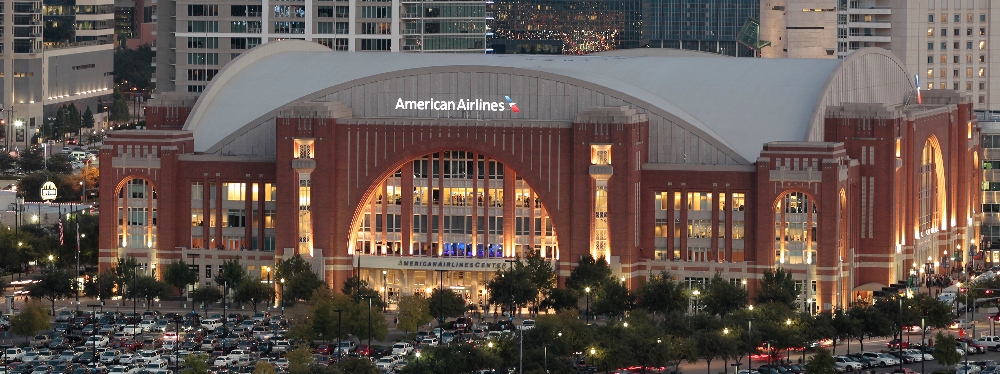
In a series of candid posts on social media platform X, billionaire entrepreneur and former Dallas Mavericks majority owner Mark Cuban has thrown a provocative idea into the heart of the NBA's ongoing integrity debate: the league should stop fighting tanking and start embracing it. Cuban's central thesis, drawn from his 23 years of ownership experience, is that the fan experience—not the nightly competition—is the NBA's core product, and strategic rebuilding, or 'tanking,' can be a legitimate tool to enhance it, provided it's done transparently and affordably.

Redefining the NBA's Business: From Basketball to Experience
Cuban's argument begins with a fundamental redefinition of the league's purpose. "When I got into the NBA, they thought they were in the basketball business. They aren't. They are in the business of creating experiences for fans," he stated. This perspective shifts the priority from the purity of competition on the court to the overall value delivered to the paying customer. For Cuban, what fans remember is not the final score or a spectacular dunk, but the social context—"who they were with. Their family, friends, a date." Therefore, if a season is lost, the organization's duty is to manage that reality in a way that maintains or even builds fan goodwill for the future.
The Case for Transparent Tanking
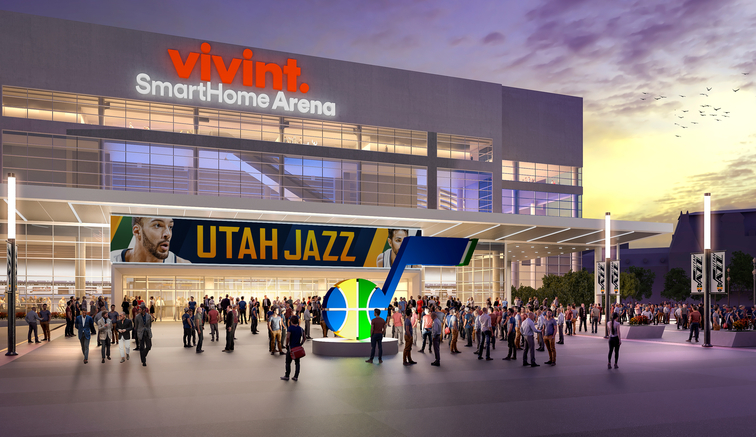
Cuban vehemently criticizes the NBA's current approach, which he views as hypocritical. The league has recently fined teams like the Utah Jazz ($500,000) and Indiana Pacers ($100,000) for resting healthy players, actions often seen as precursors to tanking. Cuban calls this the "worst s--- that the NBA dishes out," arguing that teams are punished for being honest with fans about a rebuilding strategy that is often obvious to everyone. He advocates for a system where teams can be transparent about their long-term plans without fear of financial penalty or the threat of losing draft picks, a remedy Commissioner Adam Silver has suggested he is considering.
Affordability as the Cornerstone of Fan Experience
Intricately linked to Cuban's tanking argument is a critique of NBA pricing. He asserts that the league should be more concerned with "pricing fans out of games than tanking." He paints a vivid picture: "You know who cares the least about tanking? A parent who can't afford to bring their 3 kids to a game and buy their kids a jersey of their fave player." In his view, an affordable ticket that allows a family to create a memory together is a superior fan experience to an expensive ticket to watch a mediocre, non-tanking team lose. This positions tanking not as a surrender, but as a strategic pause that should correspond with more accessible pricing, allowing fans to stay connected to the team during lean years.
Tanking as a Mechanism for Hope
Perhaps the most compelling part of Cuban's case is his framing of tanking as a vehicle for hope. "Fans know their team can't win every game... What fans that care about their team's record want is hope. Hope they will get better and have a chance to compete for the playoffs and then maybe a ring," he wrote. He cites his own experience with the Mavericks, noting that a 24-58 season in 2017-18 positioned the team to trade up for Luka Dončić, a move that catalyzed a new competitive era. A transparent tank, in this view, is a clear signal to fans that management has a plan to acquire elite talent and return to contention, making short-term pain palatable.
Clashing with the League's Official Stance
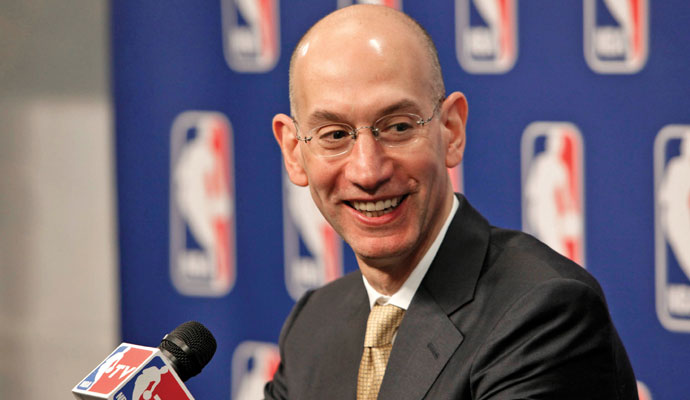
Cuban's public embrace of tanking stands in direct opposition to the stance of NBA Commissioner Adam Silver. During the 2026 All-Star Weekend, Silver acknowledged that tanking has been "worse this year than we've seen in recent memory" and stated he is actively considering "every possible remedy" to stop it, including the harsh penalty of stripping draft picks. This highlights the central tension: the league office views tanking as a threat to the integrity of the competition and the product broadcast to national partners, while Cuban, from an owner's perspective, sees it as a sometimes-necessary tool for franchise building that can be sold honestly to the local fanbase.
Mark Cuban's comments have successfully reframed the tanking debate around core questions of value, transparency, and fan relations. Is the NBA's primary product the game itself, or the total experience surrounding it? Can transparency about a rebuild foster more loyalty than forced, futile competitiveness? While the league is likely to continue its anti-tanking enforcement to protect its broadcast product and parity narrative, Cuban's argument underscores a significant disconnect between league policy and the practical, long-term calculus of individual team management. The challenge for the NBA will be to find a balance that preserves competitive integrity without alienating fans who, as Cuban argues, ultimately seek affordable hope above all else.