Australian Open Women's Final Preview: Sabalenka vs. Rybakina - Expert Analysis on the Title Decider
The stage is set for a blockbuster Australian Open women's final as world No. 1 Aryna Sabalenka faces No. 5 Elena Rybakina. This highly anticipated rematch of the 2023 final pits two of the game's most powerful hitters against each other, both arriving without dropping a set. Our experts analyze the critical factors that could decide the championship, from Sabalenka's quest for redemption to Rybakina's formidable serve. Discover the strategic keys and mental battles that will determine who lifts the trophy in Melbourne.
The 2026 Australian Open women's final presents a dream matchup between two of tennis's most dominant forces. Defending champion and world No. 1 Aryna Sabalenka will clash with the resurgent No. 5 seed Elena Rybakina in a battle for supremacy at Melbourne Park. Both players have stormed through the draw without conceding a set, setting the stage for a high-stakes power contest that promises to be a classic. This final is not just about a trophy; it's about legacy, redemption, and establishing dominance on the sport's biggest stage.

Contender Profiles: Paths to the Final
Aryna Sabalenka arrives at her fourth consecutive Australian Open final with an air of inevitability. The Belarusian has been virtually unstoppable in Melbourne, boasting a remarkable record of 20 wins in her last 21 matches at the tournament. Her 2026 campaign has been characterized by ruthless efficiency and a newfound mental fortitude, highlighted by her record-setting 20 consecutive tiebreak victories. Sabalenka seeks her third Australian Open title and fifth major overall, aiming to solidify her status as the world's premier hard-court player.
Elena Rybakina's journey to the final represents a triumphant return to the pinnacle of the sport. The Kazakhstani player has compiled the most match wins on tour since Wimbledon, rediscovering the form that made her a Grand Slam champion. Her path through Melbourne has been equally impressive, featuring straight-set victories over top opponents including Iga Swiatek and Jessica Pegula. Rybakina brings a potent combination of power and precision, with her serve emerging as the tournament's most dominant weapon.
Strategic Keys to Victory
Sabalenka's Winning Formula
For Sabalenka to secure victory, she must leverage her experience and aggressive baseline game while managing the psychological pressure of the occasion. Experts emphasize that her success hinges on maintaining the aggressive, high-risk style that has brought her this far while avoiding the mental lapses that have occasionally plagued her in major finals. As noted in analysis from ESPN, Sabalenka's ability to handle nerves will be paramount, particularly after her emotional challenges in previous finals.
Tactically, Sabalenka must attack Rybakina's second serve and prevent her opponent from settling into comfortable service games. By applying early pressure and dictating rallies with her powerful groundstrokes, Sabalenka can take time away from Rybakina and force errors. Her recent dominance in tiebreaks demonstrates improved mental resilience, which she must carry into the final's crucial moments.
Rybakina's Path to the Title
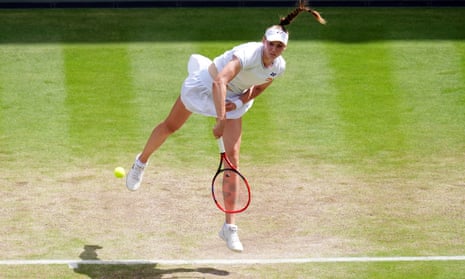
Rybakina's championship hopes rest heavily on her serve, which has been the tournament's most effective weapon. With a tournament-leading 41 aces and winning 74% of points when her first serve lands, Rybakina possesses the tools to neutralize Sabalenka's aggression. Her performance in their recent meeting at the 2025 WTA Finals provides a blueprint, where she delivered 13 aces and won 72.3% of her first serves to claim victory.
Beyond serving, Rybakina must employ strategic variety to disrupt Sabalenka's rhythm. By mixing pace, changing directions, and selecting the right moments to unleash her own powerful groundstrokes, Rybakina can control the tempo of the match. Her recent success against top-10 opponents—winning nine consecutive matches—demonstrates her ability to execute under pressure against elite competition.

Expert Predictions and Final Analysis
The consensus among tennis analysts points toward an exceptionally close contest that could extend to three sets. While Sabalenka enters as the slight favorite based on her Melbourne pedigree and current form, Rybakina's recent head-to-head advantage on hard courts cannot be ignored. The Kazakhstani leads their hard-court meetings 6-5 and has won four of their last five encounters on the surface, including their most recent clash at the WTA Finals.
Historical context adds another layer to this matchup. This final represents a rematch of their 2023 Australian Open encounter, which Sabalenka won in three sets. Since that meeting, both players have evolved significantly, with Sabalenka solidifying her world No. 1 status and Rybakina overcoming challenges to return to peak form. The mental aspect may prove decisive, with Sabalenka carrying the weight of expectation as defending champion and Rybakina playing with the confidence of a recent title victory over her opponent.
Ultimately, this final represents the pinnacle of modern women's tennis—a showcase of power, precision, and psychological fortitude. Whether Sabalenka can cement her Melbourne legacy or Rybakina can complete her resurgence with a second major title will be determined by which player best executes their game plan under the intense pressure of a Grand Slam final. Tennis fans worldwide can anticipate a memorable contest between two champions at the height of their powers.