Read on the Guardian
London's Little Morocco Brims with Pride Ahead of Africa Cup of Nations Final
In London's North Kensington, the Moroccan diaspora is united in anticipation as the Atlas Lions prepare to face Senegal in the Africa Cup of Nations final this Sunday. The community, centered around Golborne Road's 'Little Morocco,' is filled with confidence, viewing the tournament as a unifying force that provides a respite from global concerns and strengthens cultural bonds. From cafes showing buildup programs to family gatherings planned around couscous meals, the excitement has completely taken over the neighborhood, with residents expressing immense pride in their team's journey.
The streets of North Kensington are awash with the red and green of Morocco as the diaspora community prepares for a historic Sunday. The Atlas Lions face Senegal in the final of the Africa Cup of Nations, and in London's 'Little Morocco,' confidence isn't just high—it's absolute. This footballing climax represents more than a trophy; it's a moment of profound cultural unity and pride for a community dispersed far from home.

A Community United by Football
At the heart of this anticipation is Golborne Road, home to a significant Moroccan community. The mood is one of electric excitement, as described by community leaders like Souad Talsi, who runs the Al-Hasaniya Moroccan women's centre. "There's not just an excitement, it has completely taken over everything else," Talsi told The Guardian. She highlights how football has provided a vital respite from other global concerns, stating it "has completely united the Moroccan diaspora and given us a purpose and a sense of belonging." This sentiment echoes through the cafes and community centers, where discussions of tactics and team selection have replaced everyday chatter.
The Venue of Celebration: Golborne Road
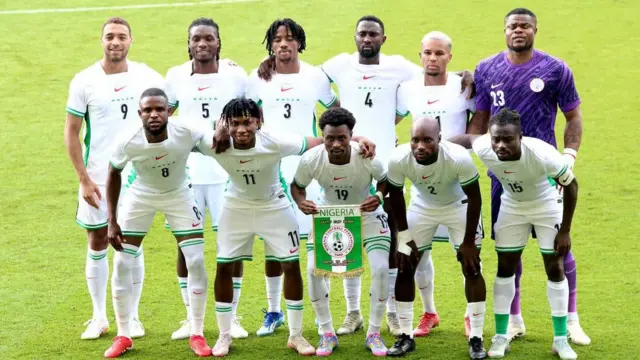
The community has natural gathering points to experience the match together. The Trellick Lounge cafe has become a focal hub, showing all of Morocco's tournament games on a large screen. Owner Ali Mssr anticipates hundreds will gather inside and even more outside on the street for the final. The preparations began well before match day, with buildup programs from Maghreb TV already airing days in advance. For many, like retired gardener Mohamed, the communal joy is audible; he could hear the celebrations from his flat when Morocco won their semi-final against Nigeria on penalties, describing it as "a beautiful atmosphere."
Beyond the Game: Cultural Significance and Pride
The potential victory carries deep historical weight. A win would mark Morocco's first Africa Cup of Nations title since 1976. For supporter Mohamed Chelh, this fact adds to the anticipation, though the 1976 victory is outside his memory. The team's recent success on the world stage, notably reaching the semi-finals of the last World Cup and defeating football powerhouses like Spain and Portugal, has bolstered community belief. "They should win. They've got the best team," Chelh asserted, sipping mint tea after Friday prayers. This pride transcends the immediate game. Lailah Khallouk, a senior outreach worker, noted, "I hate football but I love to watch the Moroccan team. It's something that brings us all together. Despite where we were born, our ages, our social classes, it is just a great event. Finally we have something to be proud of."
Plans for Victory and Shared Hope
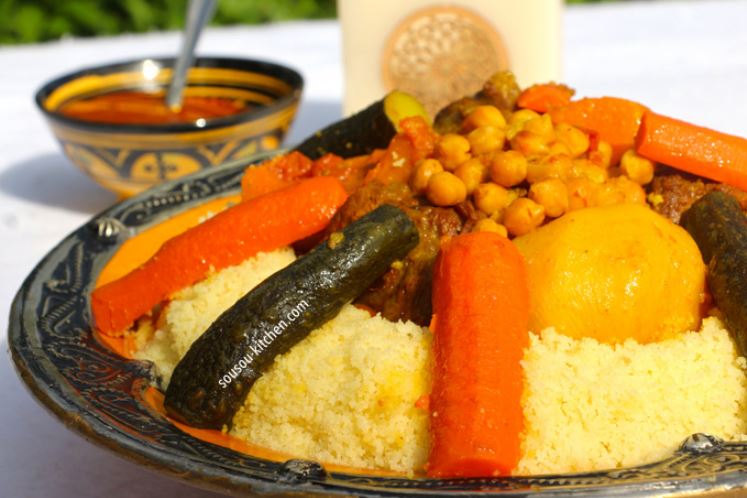
Across Little Morocco, Sunday plans are firmly in place. Souad Talsi will watch with her extended family after sharing a meal of couscous. Others, like Mohamed Chelh, plan to head to Trafalgar Square to join a larger public celebration. The confidence is palpable, with courier Yassim at Hakim's cafe reasoning, "We beat Nigeria and they are the toughest team in the tournament. We will win whether it is 90 minutes or 120 minutes." The event has also broken down social barriers, with Talsi observing equal enthusiasm among women and men during the semi-final screenings. As Uber driver Mohamed Rhiam, freshly returned from Casablanca, summarized, the atmosphere is "crazy." While he acknowledges complex feelings about tournament spending in Morocco, the football itself is a pure source of pride. For the Moroccan diaspora in London, Sunday is more than a football match; it's a celebration of identity, resilience, and shared hope, with an entire community ready to roar alongside their Atlas Lions.