NFL Upholds DK Metcalf's Two-Game Suspension for Fan Altercation
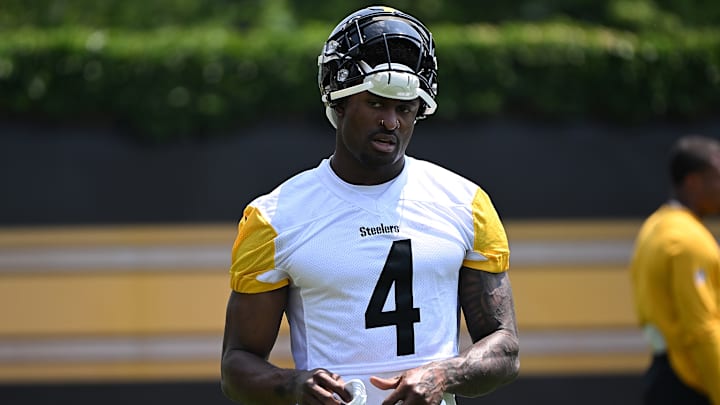
The NFL has upheld Pittsburgh Steelers wide receiver DK Metcalf's two-game suspension following his appeal. The suspension stems from an altercation with a fan during a game in Detroit, resulting in Metcalf missing the final two regular-season games against Cleveland and Baltimore. The decision also carries significant financial penalties, including the forfeiture of salary and the voiding of future guaranteed money. This incident highlights ongoing challenges in player-fan interactions and the league's disciplinary standards.
The National Football League has made its final ruling on a high-profile disciplinary case, upholding the two-game suspension of Pittsburgh Steelers wide receiver DK Metcalf. The decision, announced after an appeal, confirms Metcalf will miss the final two games of the regular season following an altercation with a fan during Pittsburgh's game against the Detroit Lions at Ford Field. This ruling not only impacts the Steelers' playoff push but also carries substantial financial consequences for the star receiver, voiding significant guaranteed money in his contract.
The Incident and League Ruling
The altercation occurred during the first half of Sunday's game when Metcalf approached a fan identified as Ryan Kennedy, who was leaning over the first-row railing. Video footage shows Metcalf grabbing Kennedy by his shirt collar, pulling him closer, and then forcefully shoving him back. The fan, who was wearing a blue wig and appeared to have a yellow jersey in his hands, threw his hands up after the contact. Multiple videos of the interaction circulated on social media in the days following the game.
The NFL's decision to uphold the suspension means Metcalf will sit out games at Cleveland and against Baltimore in Weeks 17 and 18, respectively. According to reports from ESPN, Metcalf will forfeit $555,556 in salary, and the suspension voids $45 million in future guaranteed money as stipulated in his contract. This represents one of the more significant financial penalties in recent NFL disciplinary history.

Team and Coach Response
Steelers coach Mike Tomlin addressed the situation before the appeal ruling, stating he had spoken with Metcalf about the incident. "He did explain to me why he did what he did. And I certainly don't condone the behavior, but I support DK," Tomlin said. The coach emphasized that Metcalf's overall conduct made him "easy to support," describing him as a player who "cares, works hard, and is a good teammate."
Tomlin also commented on the broader issue of fan interactions in modern sports, noting that "volatile rhetoric is a component of our business today, unfortunately." He added that this phenomenon extends beyond professional sports to college and youth sports, representing what he called "a component of sport that's developed, and developed in a big way in recent years."
Context and Previous Interactions
According to sources confirmed to ESPN, Metcalf had previously reported the same fan to Seattle Seahawks security during a previous interaction when he played for Seattle in Detroit. This context suggests the altercation wasn't an isolated incident but part of an ongoing issue between the player and this particular fan.
The fan involved, Ryan Kennedy, released a statement through a Michigan law firm denying he used "racial, misogynistic, or hate-based language" during the incident, contrary to some social media reports. One video posted to social media appeared to show Kennedy saying, "That was the goal, folks," after the altercation.

Team Impact and Roster Adjustments
With Metcalf sidelined and fellow wide receiver Calvin Austin III dealing with a hamstring injury, the Steelers will need to adjust their offensive strategy for the crucial final games. Tomlin indicated that second-year wide receiver Roman Wilson will likely see an increased role. Wilson, a 2024 third-round pick, has been a healthy scratch for the past three games following the additions of veteran receivers Adam Thielen and Marquez Valdes-Scantling.
"One man's misfortune is another man's opportunity," Tomlin said regarding Wilson's potential increased playing time. "I'm excited what this opportunity might mean for him to display growth in the midst of a time where he hadn't been participating, to show his professionalism and his readiness."
Playoff Implications
The timing of the suspension adds another layer of complexity to Pittsburgh's playoff push. The Steelers can clinch the AFC North this weekend with either a Baltimore Ravens loss to the Green Bay Packers on Saturday night or with a win over the Cleveland Browns on Sunday. Losing a key offensive weapon like Metcalf during this critical stretch could impact their chances, though Tomlin emphasized focusing on available players rather than dwelling on absences.
"You can waste a lot of time pining for those that you don't have," Tomlin said. "As a leader, I think it's my job to work and prepare those that I do have and position them to live out their dreams and be positive contributors to a winning effort."
Broader League Implications
This case highlights the NFL's ongoing efforts to manage player conduct and fan interactions. The league has faced increasing challenges in recent years as social media amplifies incidents and players face more direct interaction with fans both in stadiums and online. The financial severity of Metcalf's penalty—particularly the voiding of $45 million in guaranteed money—sends a strong message about the league's stance on physical altercations with fans, regardless of provocation.
The incident also raises questions about stadium security protocols and how teams handle recurring issues with specific fans. Metcalf's previous report of the same fan to Seahawks security suggests there may be gaps in how such reports are tracked and addressed across different teams and venues.
Conclusion
The NFL's decision to uphold DK Metcalf's suspension represents a significant moment in the ongoing conversation about player-fan interactions in professional sports. While the financial and competitive consequences for Metcalf and the Steelers are substantial, the case also highlights broader issues about conduct standards, security protocols, and the evolving nature of fan behavior in modern sports environments. As the league continues to navigate these complex dynamics, this ruling establishes a precedent for how similar incidents may be handled in the future, emphasizing that physical contact with fans—even in response to provocation—carries severe consequences.