Motorola Phones in 2025: A Smart, Budget-Friendly Android Alternative
Motorola has quietly become one of the fastest-growing mobile companies worldwide, offering compelling Android smartphones that balance affordability with distinctive design. While often overshadowed by Samsung and Google, Motorola phones deliver clean software, generous storage, and broad carrier compatibility at reasonable prices. This guide explores why Motorola devices deserve consideration, particularly for budget-conscious consumers seeking functional smartphones without premium price tags.
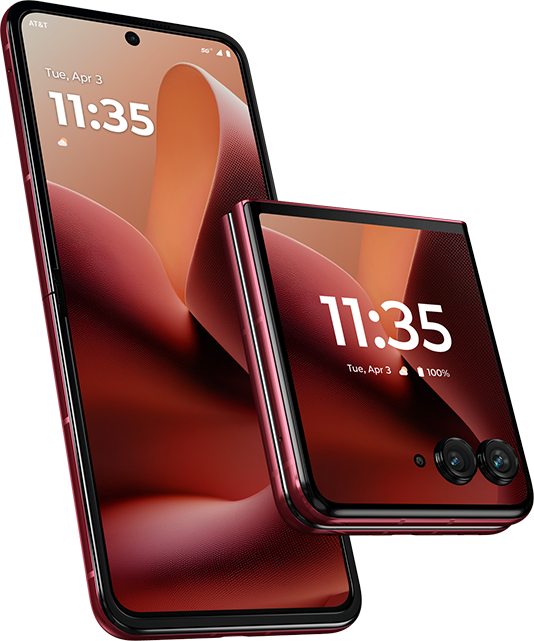
In a smartphone market dominated by Samsung, Apple, and Google, Motorola has carved out a distinctive niche by focusing on affordability, clean software, and unique design elements. While the brand might evoke nostalgia for some, today's Motorola phones offer modern features at accessible price points, making them compelling alternatives for budget-conscious consumers. The company has experienced significant growth, claiming leadership in the North American flip phone category with its Razr folding smartphones and experimenting with colorful designs and textures that stand out from conventional glass handsets.
What Makes Motorola Phones Stand Out
Motorola distinguishes itself through several key advantages that appeal to specific consumer segments. The company's approach prioritizes practical functionality over flashy marketing, resulting in devices that deliver solid performance without excessive costs.
Clean Software Experience
Motorola maintains a nearly stock Android interface, avoiding the heavy customization layers that slow down many competitors' devices. This simplicity translates to faster performance on mid-range hardware and a more intuitive user experience. While some bloatware exists on newer models, most can be easily uninstalled, preserving the clean software environment that has become a Motorola hallmark.
Generous Storage Options
Unlike many manufacturers that still offer 128 GB as standard on flagship devices, Motorola includes 256 GB of storage on most smartphones, including some budget models. Additionally, many Moto G phones retain the increasingly rare microSD card slot for expandable storage, providing exceptional value for users who need ample space for photos, videos, and apps.
Broad Carrier Compatibility
Motorola phones typically work across all major US carriers—T-Mobile, AT&T, and Verizon—when purchased unlocked. This universal compatibility eliminates the carrier-specific model confusion that plagues some Android brands and makes Motorola devices particularly appealing for users who frequently switch networks or travel internationally.
Current Motorola Phone Lineup
Motorola releases numerous models annually, creating a diverse portfolio that caters to different price points and user needs. The current lineup includes everything from premium folding phones to ultra-budget options.
Premium Folding: Razr Ultra (2025)
The Razr Ultra represents Motorola's flagship offering, featuring innovative materials like sustainably sourced wood, Alcantara, and leather-inspired finishes. Its 4-inch external OLED display offers extensive widget customization, while the 7-inch internal AMOLED screen provides a premium viewing experience. Powered by the Snapdragon 8 Elite chipset with 16 GB RAM, the device delivers flagship performance in a compact folding form factor.
Budget Folding: Razr (2025)
For consumers interested in folding technology without the premium price, the standard Razr 2025 offers similar design aesthetics with more modest specifications. While performance occasionally stutters compared to the Ultra model, it represents excellent value at its frequent sale price of around $600, making folding technology accessible to broader audiences.
Mid-Range Value: Moto G Stylus 2025
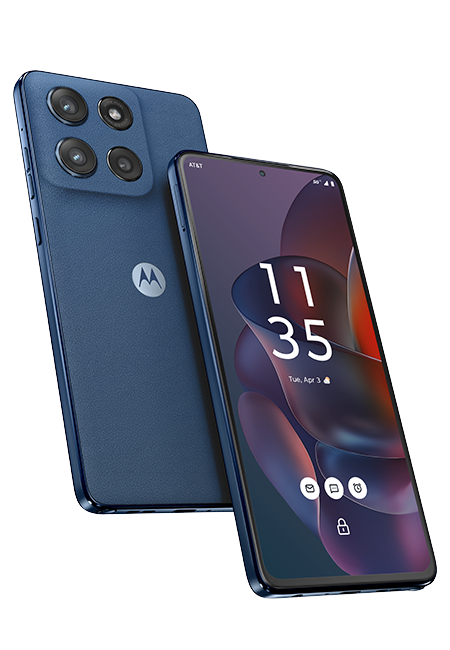
The Moto G Stylus 2025 stands out as one of the best values in Motorola's lineup, offering features typically found on more expensive devices. Its built-in stylus—a rarity outside Samsung's premium Ultra models—combined with a 120-Hz AMOLED display, Snapdragon 6 Gen 3 processor, and 256 GB storage creates a compelling package at around $300 on sale.
Considerations and Limitations
While Motorola phones offer significant advantages, potential buyers should understand certain limitations before purchasing.
Software Update Policies
Motorola's update commitment lags behind industry leaders. High-end devices receive three Android OS updates and four years of security patches, while most Moto G models get only two OS upgrades and three years of security updates. Even promised updates often arrive slowly, meaning users may miss new Android features available sooner on competing devices.
Camera Performance
Camera quality remains a relative weakness for Motorola compared to Samsung, Apple, and Google devices. While recent improvements have enhanced photo quality on premium models, Motorola cameras generally produce acceptable rather than exceptional results, particularly in challenging lighting conditions where competitors excel.
Smart Shopping Strategies
Motorola phones follow predictable pricing patterns that savvy shoppers can leverage for maximum value.
Wait for Sales
Motorola devices frequently receive significant discounts shortly after launch. The Razr Ultra, for example, regularly drops from its $1,300 MSRP to around $900 during sales events. Similar patterns apply across the lineup, making patience a virtue for cost-conscious buyers.

Consider Timing
New Motorola models typically launch annually, with older versions receiving steep discounts as replacements arrive. Buyers willing to purchase previous-generation devices can often obtain nearly identical features at substantially reduced prices, particularly for models like the Razr+ (2024), which offers similar core functionality to newer iterations.
Competitive Landscape
Motorola faces stiff competition from several directions, each offering different advantages.
Google's Pixel 9a represents perhaps the strongest alternative in the mid-range segment, offering superior cameras, longer software support (7 years), and more advanced AI features for just slightly more money than Motorola's premium mid-range devices. Nothing's Phone (3a) series provides distinctive design aesthetics at competitive prices, though with less consistent carrier compatibility.
For budget-focused buyers, used flagship phones from previous years often deliver better performance and features than new budget devices. Platforms like Swappa, Back Market, and Gazelle offer certified refurbished options with warranties, creating compelling alternatives to new budget smartphones.
Conclusion
Motorola phones occupy a valuable position in the smartphone ecosystem, offering clean software, generous storage, and unique design elements at accessible price points. While they may not match premium competitors in camera performance or software support longevity, they deliver solid functionality for everyday use. For consumers prioritizing value over cutting-edge specifications, particularly those attracted to folding technology or stylus functionality without premium pricing, Motorola devices represent smart choices in today's crowded smartphone market.