Read on nature.com
Understanding the Editorial Expression of Concern for a Key Cancer Study
In December 2025, the journal Nature issued an Editorial Expression of Concern for a significant 2005 paper on cancer biology. This notice alerts the scientific community to potential issues with image data in the study, which explored how cell division failures can lead to tumor growth. The expression of concern highlights the enduring importance of data integrity and transparency in research, especially for foundational studies that continue to inform current scientific understanding.
Scientific publishing relies on a foundation of trust and verifiable data. When questions arise about the integrity of published work, journals have a responsibility to communicate these concerns transparently. A recent example of this process occurred in December 2025, when the prestigious journal Nature issued an Editorial Expression of Concern for a 2005 article titled "Cytokinesis failure generating tetraploids promotes tumorigenesis in p53-null cells." This action serves as a critical case study in the ongoing efforts to maintain rigor and accountability in biomedical research.

What is an Editorial Expression of Concern?
An Editorial Expression of Concern is a formal notice published by a journal to alert readers to potential serious issues with a published article. It is not a retraction, but rather a flag indicating that the conclusions or data presented may not be fully reliable. According to the notice published on Nature's website, this particular concern was raised after it was brought to the editors' attention that certain figure panels within the 2005 paper appeared to contain overlapping image data. Specifically, the notice mentions concerns regarding Fig. 2b, 2c, and an additional overlap in the DMSO panels of Fig. 2c. The journal explicitly states that due to the age of the article, not all original raw data remains available for re-verification, making a definitive resolution challenging.
The Significance of the Original Research
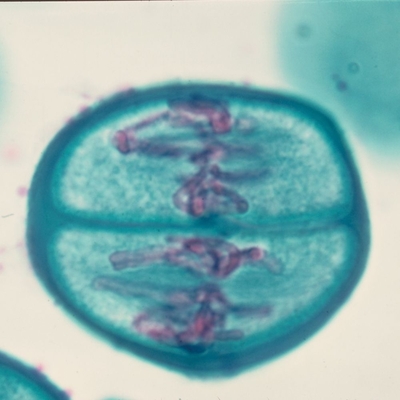
The 2005 paper, led by researchers from the Dana-Farber Cancer Institute and Harvard Medical School, including corresponding author David Pellman, investigated a fundamental process in cancer development. The study explored how the failure of a cell to divide properly—a process called cytokinesis—could lead to cells with double the normal number of chromosomes (tetraploidy). The researchers proposed that this genomic instability could act as a potent driver of tumor formation, particularly in cells already lacking the crucial tumor-suppressor gene p53. This concept has been influential in the field of cancer biology, informing subsequent research into chromosomal instability and tumor evolution.
Implications for the Scientific Community
The issuance of this Expression of Concern carries several important implications. First and foremost, it serves as a direct caution to scientists and clinicians. The editorial notice urges readers to "take caution when interpreting the content and conclusions of this article." This is a vital reminder for researchers who may be building upon this foundational work or citing its findings. It underscores the necessity of critical evaluation, even for well-established studies from reputable sources. Secondly, this case highlights the practical challenges of post-publication review for older research. The unavailability of original raw data, a common issue with studies conducted decades ago, can hinder conclusive investigations, leaving the scientific record in a state of uncertainty.
Broader Lessons on Research Integrity
This event reinforces the critical importance of robust data management and preservation practices within research institutions. Ensuring that primary data is stored securely and accessibly for the long term is essential for verifying results and upholding scientific integrity. Furthermore, it demonstrates the publishing industry's evolving mechanisms for self-correction. Tools like Expressions of Concern, corrections, and retractions are necessary components of a healthy scientific ecosystem, allowing for the transparent addressing of errors or concerns that emerge after publication. They protect the cumulative nature of scientific knowledge by preventing flawed data from being perpetuated uncritically.

Conclusion
The Editorial Expression of Concern for the 2005 Nature paper is a significant event in the landscape of scientific publishing. It responsibly alerts the community to potential data issues in an influential study while acknowledging the limitations in resolving them fully. This process, though highlighting a vulnerability, ultimately strengthens science by prioritizing transparency and caution. It reminds all stakeholders—authors, journals, and readers—of their shared responsibility in maintaining the rigor and reliability of the published scientific record. Moving forward, such cases should motivate continued improvements in data stewardship and post-publication peer review to bolster confidence in research findings.