Read on Global News
Airbus Issues Major A320 Recall After Solar Radiation Incident
Airbus has issued a significant recall affecting approximately 6,000 A320-family aircraft after a recent incident revealed that intense solar radiation can corrupt critical flight control data. The emergency directive from the European Union Aviation Safety Agency requires immediate repairs, potentially causing widespread disruption during peak travel periods. The recall follows an October 30 incident involving a JetBlue flight from Cancun to Newark, where several passengers were injured following a sharp altitude loss. Airlines worldwide are now implementing software fixes that typically require about two hours per aircraft.
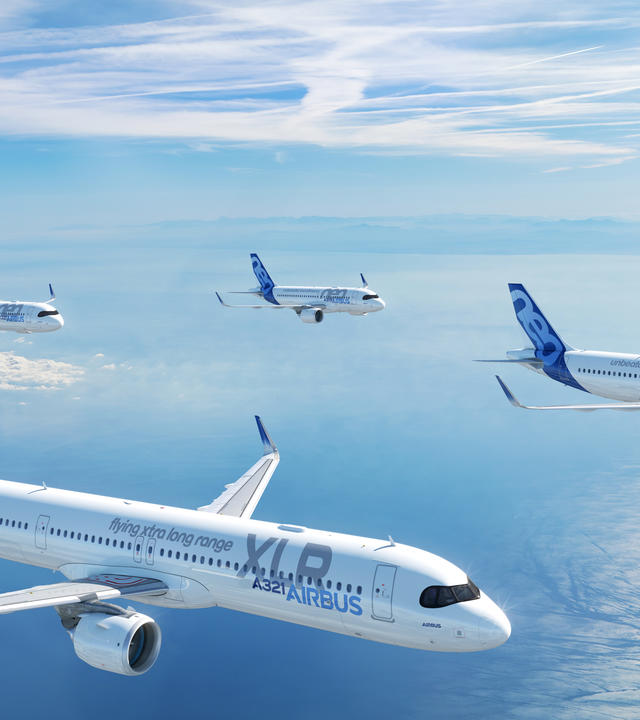
In a significant aviation safety development, Airbus has issued an emergency recall affecting approximately 6,000 A320-family aircraft worldwide. The action comes after a recent incident revealed that intense solar radiation may corrupt data critical to the functioning of flight controls, potentially compromising aircraft safety systems. This sweeping recall represents one of the largest in Airbus's 55-year history and affects more than half of the global A320 fleet.
The Safety Incident and Investigation
The recall follows an October 30 incident involving a JetBlue A320 flight from Cancun, Mexico, to Newark, New Jersey. During this flight, the aircraft experienced a flight control problem that resulted in a sudden uncommanded drop in altitude, causing injuries to several passengers. The aircraft made an emergency landing in Tampa, Florida, prompting investigations by both the airline and aviation authorities.
According to the European Union Aviation Safety Agency's emergency directive, the required fix addresses an issue that manifested during this incident. The investigation revealed that solar flares - intense bursts of radiation from the sun - may corrupt data essential for proper flight control system operation.
Scope and Impact of the Recall
The recall affects approximately 6,000 A320-family jets globally, representing a substantial portion of the world's commercial fleet. At the time Airbus issued its bulletin to the plane's more than 350 operators, approximately 3,000 A320-family jets were airborne worldwide. The A320 recently overtook the Boeing 737 as the most-delivered aircraft model, making this recall particularly significant for global aviation operations.
Major airlines across multiple continents are affected, including American Airlines, which identified 340 of its 480 A320 aircraft requiring the fix. Other affected carriers include Germany's Lufthansa, India's IndiGo, UK-based easyJet, and Colombian carrier Avianca, which reported that the recall affected more than 70% of its approximately 100-jet fleet.
Repair Requirements and Implementation
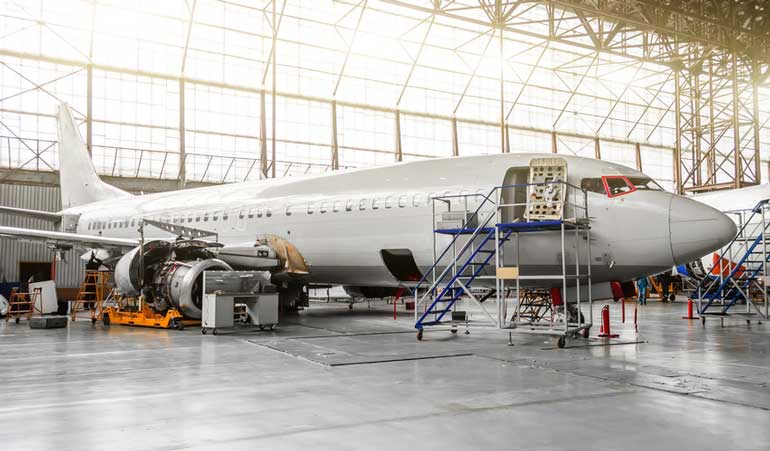
The required fix primarily involves reverting to earlier software versions, a process that typically takes about two hours per aircraft. However, the repair must be completed before affected planes can resume normal flight operations, except for repositioning to repair centers. For approximately two-thirds of the affected jets, the recall involves software reversion only, while more than 1,000 aircraft may require hardware changes in addition to software updates.
Despite the relatively straightforward nature of the repairs, the timing presents significant challenges. The recall coincides with one of the busiest travel periods of the year, particularly in the United States, where Thanksgiving weekend typically sees peak passenger volumes. Airlines are working to complete repairs between scheduled flights or during overnight maintenance checks to minimize disruption.
Global Aviation Response
Transport Canada confirmed awareness of the European Union Aviation Safety Agency's directive and is assessing potential impacts to Canadian air operations. Air Canada conducted a thorough review of its A319, A320, and A321 fleets and confirmed no immediate operational impact, though the airline cautioned that partner airlines might be affected.
Internationally, airlines are implementing various strategies to manage the recall's impact. Some carriers, including easyJet, reported completing the required work quickly, while others like Avianca have closed ticket sales for travel dates through December 8 due to anticipated significant disruption. Air France canceled 35 flights, representing approximately 5% of its daily operations.
Technical Background and System Vulnerabilities
The A320, launched in 1984, was the first mainstream jetliner to introduce fly-by-wire computer controls, replacing traditional mechanical flight control systems with electronic interfaces. The specific system affected by the solar radiation vulnerability is the ELAC (Elevator and Aileron Computer), which transmits commands from the pilot's side-stick to elevators at the rear of the aircraft, controlling the aircraft's pitch or nose angle.
Solar radiation events, particularly solar flares, can generate electromagnetic interference that affects electronic systems. While aircraft are designed with shielding and protection against such interference, the recent incident suggests that specific conditions may overwhelm these protective measures in certain flight control systems.
Industry Context and Comparison
This Airbus recall comes as the aviation industry continues to address safety concerns following the Boeing 737 MAX grounding in 2018-2019, which was also related to flight control software issues. The A320 competes directly with the Boeing 737 MAX in the single-aisle jet market, and both aircraft families represent the backbone of global short-to-medium-haul air travel.
The timing is particularly challenging given existing industry pressures, including maintenance backlogs from separate engine repair requirements and ongoing labor shortages in the aviation maintenance sector. These factors compound the logistical challenges of implementing such a widespread recall during peak travel periods.
Conclusion and Moving Forward
The Airbus A320 recall highlights the ongoing challenges in ensuring aviation safety in an increasingly complex technological environment. While the required repairs are relatively straightforward, the scale of the recall and its timing during peak travel season underscore the vulnerability of global aviation networks to systemic technical issues.
As airlines work to implement the necessary fixes, passengers are advised to check with their airlines for potential schedule changes or disruptions. The aviation industry's rapid response to this safety concern demonstrates the effectiveness of global safety oversight systems, though the incident serves as a reminder of the constant need for vigilance in aircraft system design and maintenance protocols.