Skilled Trades Thrive as AI Reshapes the Job Market for College Graduates
As artificial intelligence disrupts traditional white-collar roles, skilled trades are emerging as a stable and rewarding career path. Young professionals like electricians are finding satisfaction and job security in hands-on work that AI cannot easily replicate. This shift highlights changing workforce dynamics where technical skills and practical expertise are becoming increasingly valuable in an AI-driven economy.
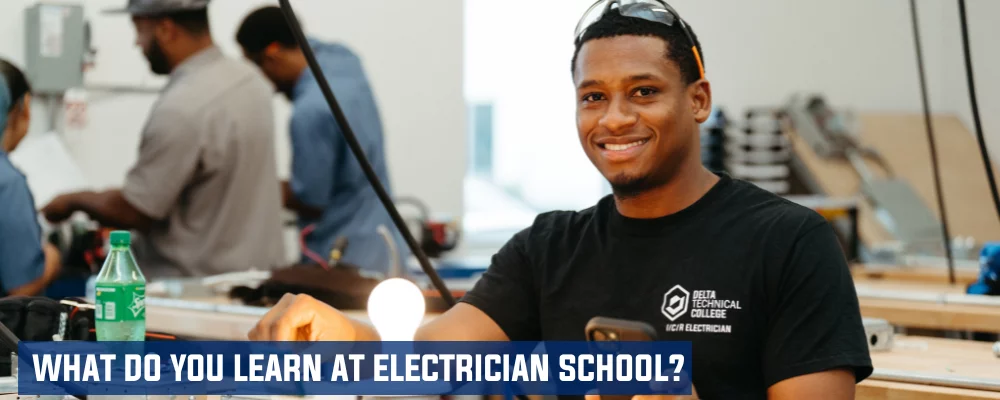
In an era where artificial intelligence is rapidly transforming the workforce, a surprising trend is emerging: skilled trades are becoming increasingly attractive career paths. As AI systems automate many white-collar tasks that traditionally required college degrees, hands-on professions like electrical work are proving resilient and rewarding. "I am very happy doing what I am doing," says one young electrician who represents a growing cohort of workers finding fulfillment in trades that AI cannot easily replicate.
The AI Disruption in Traditional Job Markets
Artificial intelligence is fundamentally changing the employment landscape, particularly for roles that involve repetitive cognitive tasks. Many positions that once required college degrees are now being automated or augmented by AI systems. This technological shift is creating uncertainty for recent graduates who invested years in traditional education paths, only to find their skills competing with increasingly capable AI tools.
Why Skilled Trades Remain Resilient
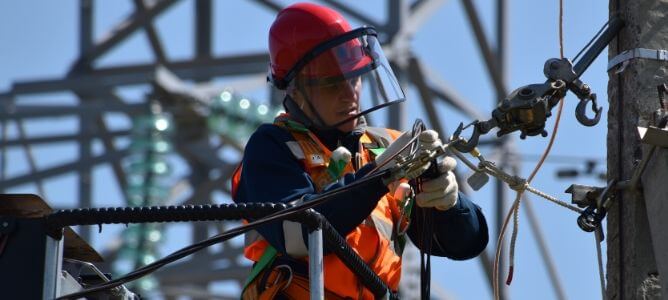
Skilled trades offer unique advantages in the age of AI that make them less vulnerable to automation. These professions require physical dexterity, problem-solving in unpredictable environments, and hands-on expertise that AI systems struggle to replicate. Electricians, plumbers, carpenters, and other trade professionals work in dynamic settings where each job presents unique challenges that demand human judgment and adaptability.

The Satisfaction Factor in Hands-On Work
Beyond job security, skilled trades provide intrinsic rewards that many workers find deeply satisfying. The tangible nature of the work—seeing immediate results from one's efforts—creates a sense of accomplishment that can be elusive in many office-based roles. This hands-on engagement, combined with the ability to work independently and solve real-world problems, contributes to high job satisfaction among trade professionals.
Changing Perceptions and Career Paths
The traditional stigma around trade careers is fading as more young people recognize the stability and earning potential these professions offer. With AI reshaping the economic landscape, vocational training and apprenticeships are becoming increasingly attractive alternatives to four-year college degrees. This shift represents a fundamental change in how society values different types of work and education.
Future Outlook for Skilled Trades
As AI continues to advance, the demand for skilled trade professionals is likely to grow rather than diminish. These roles require a combination of technical knowledge, physical skill, and adaptive problem-solving that remains difficult to automate. The ongoing need for infrastructure maintenance, construction, and specialized repair work ensures that skilled trades will remain essential components of the economy.
The experience of young professionals finding happiness and success in skilled trades serves as an important reminder that career fulfillment comes in many forms. As AI transforms the job market, the resilience of hands-on professions highlights the enduring value of practical skills and human expertise in an increasingly automated world.