Tsunami Advisory Issued for Alaska's Aleutian Islands Following 7.8 Magnitude Earthquake
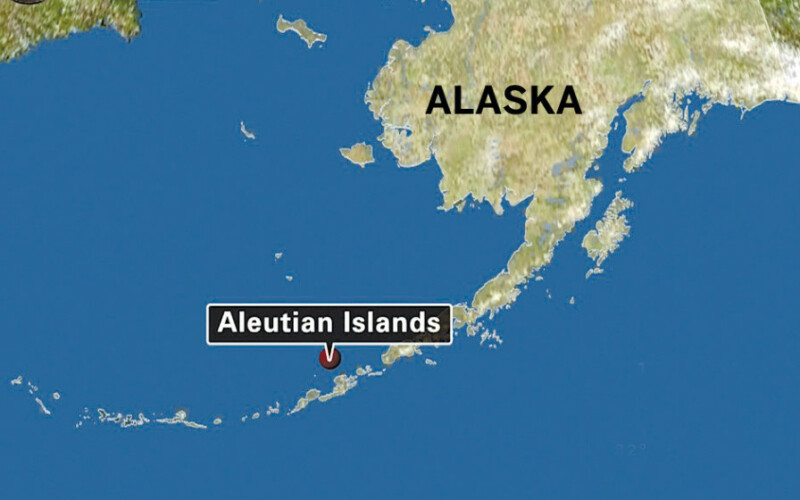
A tsunami advisory has been issued for Alaska's Aleutian Islands following a magnitude 7.8 earthquake near Russia's Kamchatka Peninsula. The USGS reported potential tsunami activity expected to reach Shemya, Alaska around 12:25 AKDT. While the advisory indicates possible strong currents and waves dangerous to those in or near water, no significant inundation of land is anticipated. Authorities are monitoring the situation and advising coastal residents to stay alert.
A significant seismic event has prompted emergency response measures across the North Pacific region. The United States Geological Survey (USGS) has issued a tsunami advisory for Alaska's Aleutian Islands following a powerful magnitude 7.8 earthquake that struck near Russia's Kamchatka Peninsula. This development has put coastal communities on alert and triggered coordinated monitoring efforts across the affected areas.
Earthquake Details and Immediate Impact
The seismic event registered as a magnitude 7.8 earthquake, occurring in a region known for significant tectonic activity. According to monitoring authorities, the earthquake's epicenter was located in proximity to the Kamchatka Peninsula, an area that frequently experiences substantial seismic events due to its position along the Pacific Ring of Fire. The timing and magnitude of this earthquake immediately raised concerns about potential tsunami generation across the North Pacific basin.
Tsunami Advisory Specifics
The National Tsunami Warning Center issued the advisory specifically for the Aleutian Islands, indicating that dangerous waves and strong currents were possible. The advisory pinpointed Shemya, Alaska as one of the locations where tsunami activity was expected to manifest around 12:25 Alaska Daylight Time (AKDT). This type of advisory differs from a warning in that it suggests the possibility of tsunami waves that could pose danger to people in or very near the water but does not anticipate significant land inundation.
Regional Preparedness and Response
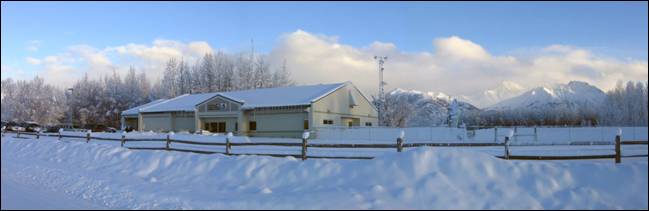
Alaska's emergency management systems were activated following the advisory issuance. Coastal communities in the Aleutian Islands received notifications through established warning systems, including emergency alerts and maritime warnings. The Alaska Division of Homeland Security and Emergency Management coordinated with local authorities to ensure appropriate preparedness measures were in place, particularly for coastal areas and maritime operations.
Scientific Context and Monitoring
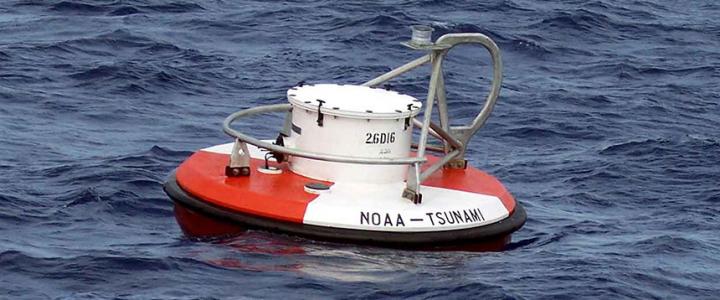
The North Pacific region, particularly the area surrounding the Aleutian Islands, represents one of the most seismically active zones globally. This activity results from the Pacific Plate subducting beneath the North American Plate, creating conditions ripe for major earthquakes and subsequent tsunami generation. Monitoring networks including deep-ocean assessment and reporting of tsunamis (DART) buoys and coastal tide gauges were actively tracking wave activity following the seismic event.
Safety Recommendations and Public Guidance
Authorities emphasized that while the advisory did not indicate immediate danger to inland areas, coastal residents and mariners should exercise heightened caution. Recommendations included moving away from beaches and harbors, avoiding ocean activities, and following instructions from local emergency management officials. Boat owners were advised to secure vessels and move them to deeper water if time permitted and conditions allowed for safe operation.
The tsunami advisory for Alaska's Aleutian Islands underscores the ongoing seismic risks facing Pacific coastal communities. While the immediate threat level remained at advisory status, the event served as a reminder of the importance of robust early warning systems and public preparedness. Continuous monitoring and coordinated response efforts demonstrate the advancements in tsunami detection and warning capabilities that help protect vulnerable coastal populations from these natural hazards.